
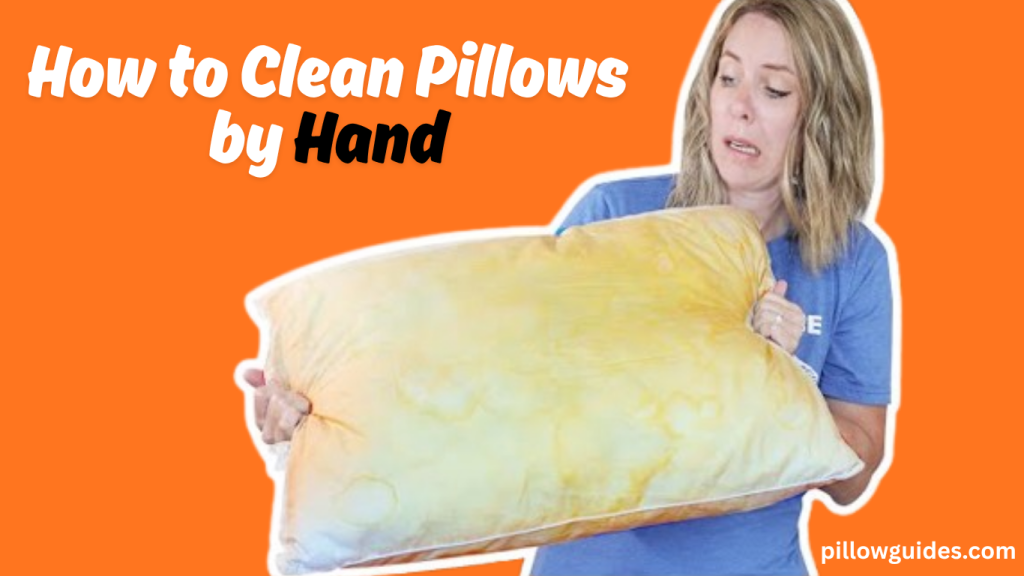
Clean pillows are essential for a healthy and comfortable sleep environment. Over time, pillows collect sweat, body oils, dust mites, dead skin cells, and allergens that can affect both hygiene and sleep quality. While many pillows can go in the washing machine, some delicate materials require a gentler approach. Learning how to clean pillows by hand is one of the safest and most effective ways to keep them fresh without damaging the filling.
In this guide, you’ll learn how to hand wash pillows properly, remove stains and odors, and keep your pillows fluffy and clean for longer.
Why You Should Clean Your Pillows Regularly
Many people wash pillowcases often but forget about the pillows themselves. Even with protective covers, pillows absorb moisture and dirt over time.
Regular pillow cleaning helps:
- Remove sweat and body oils
- Eliminate dust mites and allergens
- Reduce unpleasant odors
- Prevent yellow stains
- Extend pillow lifespan
- Improve sleep hygiene
Experts generally recommend washing pillows every 3 to 6 months depending on usage and pillow type.
What You Need to Hand Wash Pillows
Before you begin, gather these supplies:
- Mild liquid laundry detergent
- Large sink, bathtub, or basin
- Warm water
- Clean towels
- Soft cloth or sponge
- Baking soda (optional)
- White vinegar (optional)
Always check the care label before washing. Some pillows, especially certain memory foam types, should not be fully submerged in water.
How to Clean Pillows by Hand
Step 1: Remove Pillow Covers
Take off all pillowcases and protective covers. Wash them separately according to their care instructions.
This allows you to clean the actual pillow thoroughly and prevents dirt from transferring back onto the fabric.
Step 2: Vacuum the Pillow
Use a vacuum cleaner with an upholstery attachment to remove:
- Dust
- Hair
- Pet fur
- Loose debris
This simple step makes the washing process more effective.
Step 3: Spot Clean Stains
Before soaking the pillow, treat visible stains first.
How to Remove Pillow Stains
- Mix a small amount of detergent with warm water.
- Dip a clean cloth into the solution.
- Gently blot the stained area.
- Avoid rubbing aggressively.
For yellow sweat stains or odors, sprinkle baking soda over the pillow and let it sit for 30 minutes before cleaning.
You can also add a small amount of white vinegar to help neutralize smells naturally.
Step 4: Fill a Basin with Warm Water
Fill a large sink or bathtub with lukewarm water and add a small amount of mild detergent.
Avoid using:
- Harsh bleach
- Strong chemicals
- Hot water
These can damage pillow fabric and filling materials.
Step 5: Wash the Pillow Gently
Submerge the pillow in the soapy water.
Using your hands:
- Press and squeeze the pillow gently
- Allow water to move through the filling
- Continue for several minutes
Do not twist or scrub aggressively, especially if the pillow contains foam or feathers.
If the water becomes dirty, drain it and repeat with fresh water.
How to Clean Different Types of Pillows by Hand
Feather and Down Pillows
Feather pillows require gentle handling because rough washing can cause clumping.
Tips:
- Use minimal detergent
- Rinse thoroughly
- Dry completely to prevent mildew
Polyester Pillows
Polyester pillows are usually the easiest to hand wash.
They:
- Dry faster
- Hold shape well
- Tolerate water better than delicate materials
Memory Foam Pillows
Most memory foam pillows should not be soaked completely.
Instead:
- Spot clean stains
- Use a damp cloth for surface cleaning
- Allow the foam to air dry fully
Excess moisture can damage memory foam and lead to mold growth.
Step 6: Rinse Thoroughly
Drain the dirty water and refill the basin with clean water.
Press the pillow repeatedly to remove all soap residue.
Repeat until the water runs clear.
Incomplete rinsing can leave detergent trapped inside the pillow, causing stiffness and attracting more dirt later.
Step 7: Remove Excess Water
Never wring out a pillow forcefully.
Instead:
- Press gently with your hands
- Lay the pillow flat on a towel
- Roll the towel tightly to absorb moisture
This method helps maintain the pillow’s shape and prevents filling damage.
Step 8: Dry the Pillow Properly
Drying is one of the most important parts of hand washing pillows.
A damp pillow can develop:
- Mold
- Mildew
- Bad odors
Best Ways to Dry Pillows
- Place them in a well-ventilated area
- Use indirect sunlight
- Position near a fan
- Flip the pillow every few hours
Do not use the pillow until it is completely dry inside and out.
How Often Should You Wash Pillows?
Here’s a simple cleaning schedule:
| Item | Recommended Cleaning Frequency |
|---|---|
| Pillowcases | Weekly |
| Pillow protectors | Every 2–4 weeks |
| Pillows | Every 3–6 months |
Replacing pillows every 1 to 2 years can also improve sleep quality and hygiene.
Tips to Keep Pillows Clean Longer
Use Pillow Protectors
Protective covers create a barrier against sweat, dust, and allergens.
Air Out Pillows Regularly
Fresh air and sunlight help reduce moisture buildup and odors.
Avoid Sleeping with Wet Hair
Moisture can lead to mildew and yellow stains over time.
Wash Bedding Frequently
Clean sheets and pillowcases reduce dirt transfer onto pillows.
Common Mistakes to Avoid When Hand Washing Pillows
Using Hot Water
Hot water may damage delicate fabrics and fillings.
Overusing Detergent
Too much soap is difficult to rinse out completely.
Wringing the Pillow
Twisting can ruin the pillow’s shape and filling structure.
Drying Too Quickly with High Heat
Excess heat may damage foam or synthetic materials.
Final Thoughts
Knowing how to clean pillows by hand is a simple but valuable skill that helps maintain a cleaner, healthier sleeping environment. With gentle washing, proper rinsing, and careful drying, your pillows can stay fresh, fluffy, and comfortable for much longer.
Regular pillow maintenance not only improves hygiene but also supports better sleep quality and extends the life of your bedding investment.
Pingback: When Can Babies Use Pillows A Parents Guide - Pillow Guides
Pingback: Where Can I Donate Pillows and Help Those in Need - Pillow Guides
Pingback: How Do You Clean Down Pillows Simple Steps for Fresh Results - Pillow Guides
Pingback: How Do You Wash Pillows in the Washing Machine - Pillow Guides
Pingback: How to Get Blood Out of a Pillow Fast and Easy - Pillow Guides