
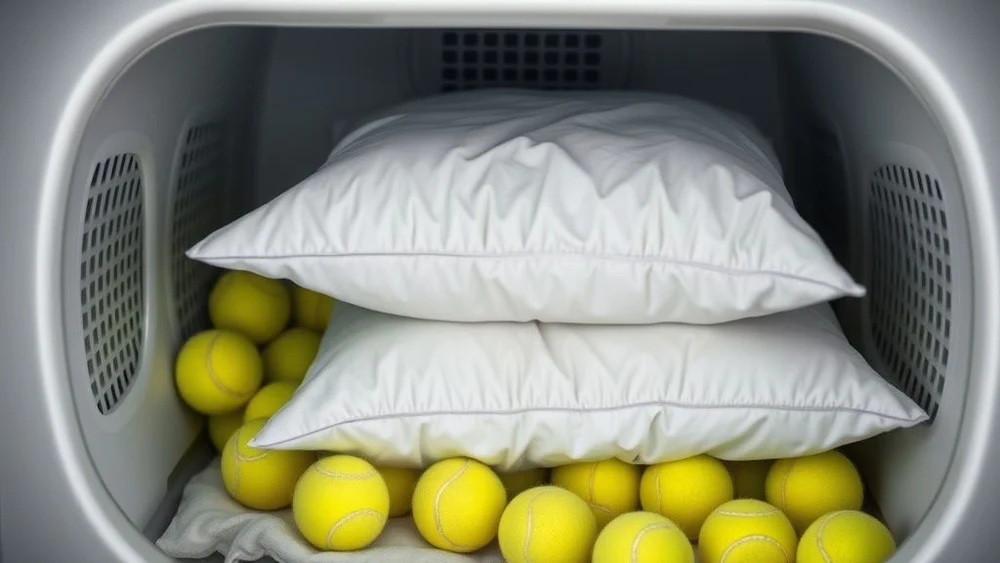
Washing your pillows regularly helps remove sweat, dust, oils, and allergens, but drying them properly is just as important. If pillows are not dried completely, trapped moisture can lead to unpleasant odors, mildew, mold, and damaged filling. Many people wash their pillows correctly but accidentally ruin them during the drying process.
In this guide, you’ll learn how to dry pillows after washing using safe and effective methods. Whether you have memory foam, feather, down, or polyester pillows, these simple tips will help keep your pillows clean, fluffy, and comfortable for longer.
Why Proper Pillow Drying Matters
Pillows absorb a surprising amount of moisture during washing. Because pillow filling is thick and dense, the inside can stay wet long after the outer fabric feels dry.
Improper drying may cause:
- Mold and mildew growth
- Musty smells
- Clumping and uneven filling
- Bacteria buildup
- Reduced pillow lifespan
Drying pillows correctly ensures they remain hygienic, soft, and supportive.
Check the Pillow Care Label First
Before drying any pillow, always read the care label. Different materials require different drying methods.
Common Pillow Types
- Polyester fiberfill pillows
- Down pillows
- Feather pillows
- Memory foam pillows
- Latex pillows
Some pillows are machine-dryer safe, while others should only air dry.
Best Way to Dry Pillows in a Dryer
Using a dryer is usually the fastest and easiest method for most synthetic, down, and feather pillows.
Step 1: Remove Excess Water
After washing, gently squeeze out extra water without twisting the pillow. Twisting can damage the filling and change the pillow’s shape.
If the pillow feels extremely wet, run an additional spin cycle in the washing machine.
Step 2: Use a Low Heat Setting
High heat can damage pillow filling, especially synthetic materials and feathers. Always use:
- Low heat
- Air fluff
- Delicate setting
Low temperatures dry the pillow safely while protecting its structure.
Step 3: Add Dryer Balls or Tennis Balls
One of the best tricks for fluffy pillows is adding clean dryer balls or tennis balls wrapped in socks.
These help:
- Prevent clumping
- Restore fluffiness
- Improve airflow
- Speed up drying
As the dryer rotates, the balls break apart wet filling inside the pillow.
Step 4: Pause and Fluff Regularly
Every 30 minutes, remove the pillows and fluff them by hand. This helps distribute filling evenly and prevents damp spots.
Large pillows may take several dryer cycles before becoming fully dry.
How Long Does It Take to Dry Pillows?
Drying time depends on pillow size and material.
Average Drying Times
Lets see how long to dry pillows in the dryer¨
- Polyester pillows: 1–2 hours
- Down pillows: 2–3 hours
- Feather pillows: 2–3 hours
- Memory foam pillows: Air dry only
Always check the center of the pillow because hidden moisture can remain trapped inside.
How to Air Dry Pillows Safely
Some pillows, especially memory foam and latex, should not go in the dryer because heat can damage the foam.
Best Air Drying Method
1. Press Out Extra Water
Use a clean towel to absorb excess moisture.
2. Lay Flat in a Ventilated Area
Place the pillow on a drying rack or flat surface with good airflow.
3. Flip Frequently
Turn the pillow every few hours to help it dry evenly.
4. Use Fans or Open Windows
Air circulation speeds up drying and reduces mildew risk.
5. Dry in Sunlight if Possible
Sunlight naturally helps eliminate odors and bacteria while speeding up drying.
How to Dry Memory Foam Pillows
Memory foam pillows require extra care because heat can weaken or crack the foam.
Important Tips
- Never use high heat
- Avoid machine dryers unless the label says otherwise
- Air dry only
- Keep away from direct intense sunlight for long periods
To dry memory foam faster, place it near a fan or in a room with strong airflow.
Signs Your Pillow Is Fully Dry
Many pillows feel dry on the outside while still damp inside.
Check for These Signs
- No cool or damp spots
- Filling feels evenly fluffy
- No musty smell
- Pillow regains its original shape
If you are unsure, continue drying longer. Even slight moisture can cause mold growth later.
Common Mistakes to Avoid
Using High Heat
High temperatures can damage pillow filling and fabric.
Not Drying Completely
Half-dry pillows often develop mildew and odors.
Overloading the Dryer
Too many pillows reduce airflow and increase drying time.
Skipping Fluffing
Without fluffing, filling may clump and harden.
Tips to Keep Pillows Fresh Longer
Proper maintenance helps reduce how often deep washing is needed.
Helpful Habits
- Use pillow protectors
- Wash pillowcases weekly
- Air pillows outside occasionally
- Replace old pillows every few years
- Spot clean stains quickly
How Often Should You Wash Pillows?
Most pillows should be washed every 4–6 months to remove:
- Sweat
- Dust mites
- Dead skin
- Oils
- Allergens
Frequent washing helps improve sleep hygiene and extends pillow life when combined with proper drying.
Final Thoughts
Knowing how to dry pillows after washing is essential for keeping bedding clean, comfortable, and long-lasting. Whether you use a dryer or air-dry method, the key is ensuring the pillow dries completely before use.
Low heat, good airflow, and regular fluffing help prevent mold, odors, and clumping while restoring softness and support. By following the correct drying techniques for your pillow type, you can enjoy fresher and healthier sleep every night.

Pingback: How to Recycle Old Pillows Eco-Friendly Disposal Guide - Pillow Guides