Washing your pillows regularly helps remove dust, sweat, allergens, and odors, but many people worry about one common problem: clumping. If you’ve ever washed a pillow only to end up with lumpy filling and uneven support, you’re not alone.
The good news is that learning how to wash pillows without clumping is simple when you use the right techniques. In this guide, you’ll discover the best washing methods, drying tips, and care instructions to keep your pillows fluffy, soft, and comfortable.
Why Do Pillows Clump After Washing?
Pillows usually clump because the filling becomes tangled or compressed during washing and drying. This commonly happens due to:
- Too much heat
- Excess detergent
- Poor rinsing
- Incorrect drying methods
- Overloading the washer
- Improper handling during drying
When moisture stays trapped inside the filling, materials like polyester and down can stick together and form lumps.
Can All Pillows Be Washed?
Not every pillow should go into the washing machine. Always check the care label first.
Pillows That Are Usually Machine Washable
- Polyester fiberfill pillows
- Down pillows
- Feather pillows
- Cotton pillows
Pillows That Need Special Care
- Memory foam pillows
- Latex foam pillows
Foam pillows should usually be spot-cleaned instead of machine washed because water can damage the foam structure.
How to Wash Pillows Without Clumping
Follow these steps carefully to keep your pillows fluffy and lump-free.
Step 1: Read the Care Label
Before washing:
- Check washing instructions
- Confirm dryer safety
- Look for water temperature recommendations
Ignoring the label can permanently damage the pillow filling.
Step 2: Use a Gentle Washing Cycle
Select:
- Gentle cycle
- Delicate cycle
- Warm or cold water
Avoid hot water because excessive heat can weaken fibers and cause clumping.
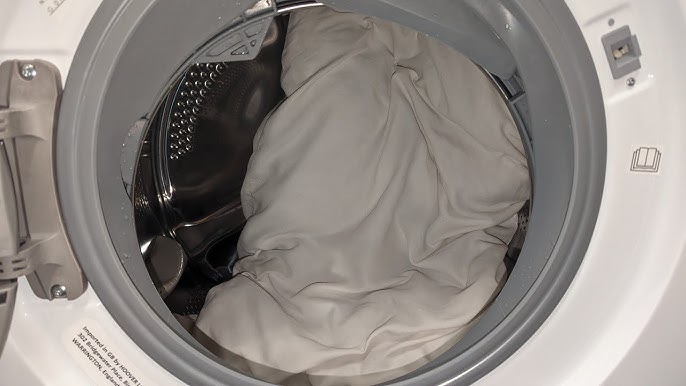
Wash Two Pillows Together
Washing two pillows at once helps:
- Balance the washing machine
- Prevent twisting
- Reduce filling damage
Place pillows vertically in top-load washers if possible.
Step 3: Use a Small Amount of Detergent
Too much detergent leaves residue inside the filling, which can create stiff lumps after drying.
Use:
- Mild liquid detergent
- Small quantity only
Avoid:
- Powder detergents
- Bleach
- Fabric softener
Liquid detergent rinses out more easily and helps maintain softness.
Step 4: Run an Extra Rinse Cycle
An additional rinse removes:
- Soap residue
- Dirt buildup
- Excess moisture
This step is one of the most important ways to prevent clumping.
Step 5: Dry Pillows Properly
Improper drying is the biggest reason pillows become lumpy.
Use Low Heat
Choose:
- Low heat
- Air fluff
- Delicate dryer setting
High heat can damage filling and cause uneven texture.
Step 6: Add Dryer Balls or Tennis Balls
Place:
- Dryer balls
- Clean tennis balls wrapped in socks
into the dryer.
They help:
- Break apart clumps
- Redistribute filling
- Restore pillow fluffiness
This is one of the best methods for preventing pillow lumps.
Step 7: Pause and Fluff Regularly
Every 20–30 minutes:
- Remove pillows
- Shake them
- Massage clumps gently by hand
This keeps the filling evenly distributed while drying.
How Long Should Pillows Dry?
Drying times depend on pillow material.
| Pillow Type | Average Drying Time |
|---|---|
| Polyester | 45–60 minutes |
| Down | 60–90 minutes |
| Feather | 60–90 minutes |
| Cotton | 45–75 minutes |
Pillows must be completely dry before use to prevent mold and mildew.
How to Fix Clumped Pillows After Washing
If your pillow already has lumps, don’t throw it away yet.
Try These Fixes
Hand Fluffing
Break apart clumps manually by squeezing and shaking the pillow.
Dryer Method
Place the pillow back in the dryer with dryer balls on low heat or air fluff.
Sun Drying
Sunlight helps remove moisture and naturally freshens pillows.
Massage the Filling
Work through large clumps gently using your hands.
Can You Wash Memory Foam Pillows?
Memory foam pillows require special care.
Avoid:
- Machine washing
- High heat drying
- Heavy soaking
Instead:
- Spot clean stains
- Use mild detergent
- Air dry completely
Machine washing can cause foam to tear or crumble.
Best Tips to Prevent Pillow Clumping
Wash Pillows Every 3–6 Months
Regular cleaning prevents heavy buildup that can affect filling texture.
Use Pillow Protectors
Protectors reduce dirt, sweat, and moisture absorption.
Avoid Overloading the Dryer
Pillows need room to tumble freely.
Dry Completely
Even slight dampness can create lumps and odors later.
Fluff Daily
A quick fluff each morning helps maintain shape.
Common Mistakes to Avoid
Using High Heat
High temperatures damage fibers and fillings.
Using Too Much Detergent
Soap buildup makes pillows stiff and clumpy.
Skipping the Extra Rinse
Leftover detergent often causes uneven filling.
Not Drying Thoroughly
Moisture trapped inside leads to mildew and hard clumps.
Frequently Asked Questions
Why did my pillow become lumpy after washing?
Usually because of excess heat, poor drying, or detergent residue.
Can tennis balls really help fluff pillows?
Yes. They help separate filling and restore loft during drying.
Should pillows be air dried or machine dried?
Most washable pillows can be machine dried on low heat, while foam pillows should air dry.
How often should pillows be washed?
Every 3–6 months is recommended for most pillows.
Final Thoughts
Knowing how to wash pillows without clumping can help extend the life of your pillows and improve sleep comfort. The key is using gentle washing cycles, minimal detergent, low heat drying, and dryer balls to maintain even filling distribution.
With proper care, your pillows can stay fluffy, fresh, and supportive for years without becoming lumpy or uncomfortable.