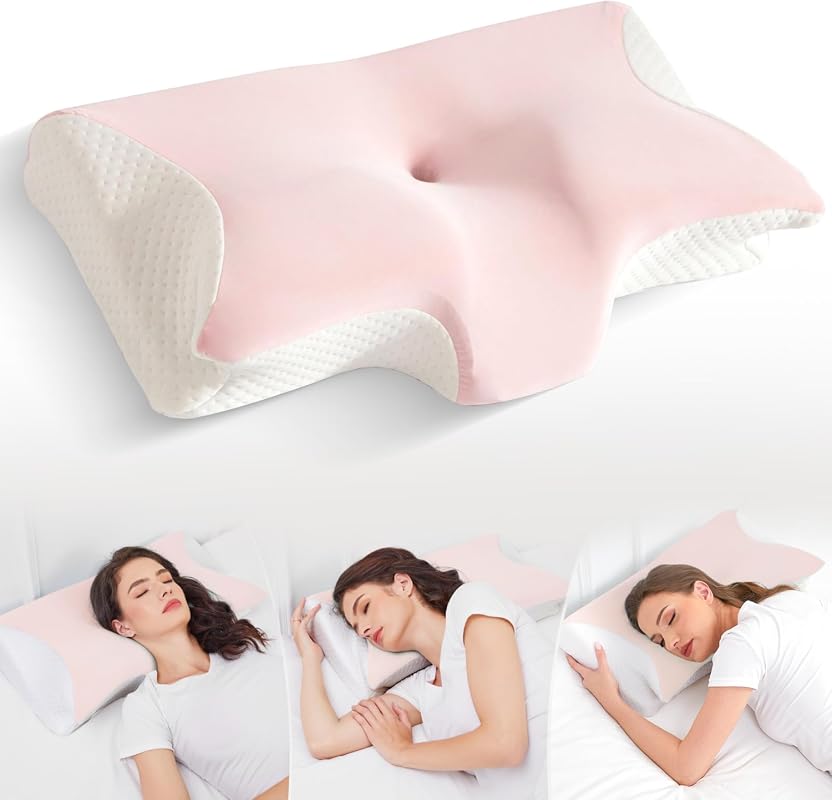
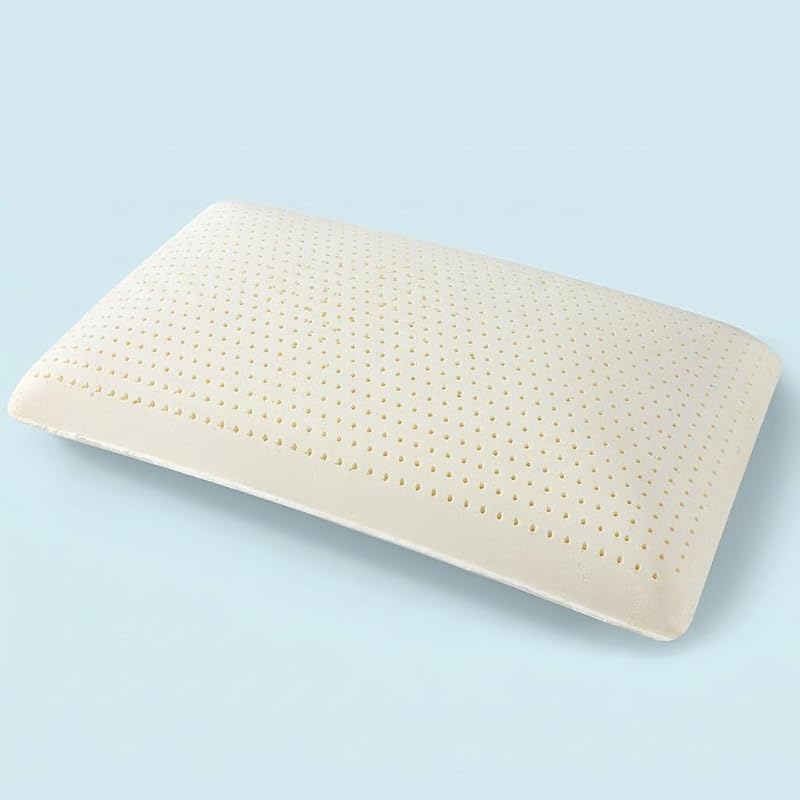
Pillows without removable covers can indeed be washed! This guide provides a simple, step-by-step approach to cleaning them, whether by machine or hand. The key is to understand your pillow’s material, use gentle settings and mild detergent, and dry thoroughly to prevent mildew. Following these tips will help you maintain a hygienic sleep environment and extend the life of your beloved pillows.
Easy Guide How to Wash Pillows Without Removable Cover
Ever wondered if you could really wash those fluffy pillows that don’t have a zipper or a separate cover? Many people think it’s impossible or too risky, so they just replace their pillows when they get a bit dingy. But guess what? Most pillows, even those without removable covers, are actually designed to be washed! It’s a game-changer for maintaining a fresh, hygienic sleep environment without constant replacements.
Washing your pillows regularly helps remove sweat, body oils, dust mites, and allergens that accumulate over time. Think about it – you spend hours with your face resting on that pillow! A clean pillow isn’t just about appearances; it significantly contributes to better sleep quality and can even help reduce allergy symptoms. This easy guide will walk you through exactly how to wash pillows without removable cover, making the process simple and stress-free. Let’s get those pillows sparkling clean!
Key Takeaways
- Check the Care Label First: Always read your pillow’s care tag before washing. Most synthetic and down pillows are machine washable, but memory foam often requires spot cleaning or hand washing.
- Balance the Load: Wash two pillows at a time in the washing machine to balance the load. This helps prevent the machine from becoming unbalanced and ensures thorough cleaning.
- Use Mild Detergent and Gentle Cycle: Opt for a small amount of liquid, mild detergent. Use a gentle or delicate cycle with warm water for most washable pillows.
- Rinse Thoroughly: Run an extra rinse cycle to ensure all soap residue is completely removed. Leftover detergent can attract dust and cause skin irritation.
- Dry Completely and Evenly: The most crucial step is drying. Use low heat in the dryer with dryer balls to fluff and break up clumps. Air drying is an option, but pillows must be flipped frequently and dried fully to prevent mildew.
- Test for Dryness: Squeeze your pillow firmly to check for any dampness in the core. If it feels heavy or cold, it needs more drying time.
- Know When to Replace: Even with proper washing, pillows don’t last forever. Replace them every 1-2 years or when they no longer provide support.
Quick Answers to Common Questions
Can I wash all types of pillows without a removable cover?
No, not all pillows. Most synthetic and down/feather pillows are machine washable, but memory foam and gel pillows often require spot cleaning or hand washing, as submerging them can damage their material.
How often should I wash my pillows?
It’s generally recommended to wash your pillows every 3-6 months to remove dust mites, allergens, and body oils, promoting a healthier sleep environment.
Why do I need to wash two pillows at a time?
Washing two pillows helps to balance the washing machine’s load. This prevents the machine from becoming unbalanced during the spin cycle and ensures the pillows get a more thorough and even wash.
What if my pillow label says “spot clean only”?
If your pillow is “spot clean only,” avoid submerging it. Instead, use a damp cloth with a mild detergent solution to gently wipe down and clean specific dirty areas on the surface of the pillow.
Can I use high heat to dry my pillows faster?
No, it’s best to dry pillows on a low heat or air-fluff setting. High heat can damage synthetic fibers, cause down feathers to clump, and potentially shrink the pillow.
📑 Table of Contents
- Step 1: The “Can I Wash It?” Test – Checking Your Pillow’s DNA
- Step 2: Gathering Your Supplies
- Step 3: Washing Machine Method (for Synthetic and Down/Feather Pillows)
- Step 4: Hand Washing Method (for Delicate or “Spot Clean Only” Pillows)
- Step 5: Drying Your Pillows Properly
- Step 6: When to Replace Your Pillow
Step 1: The “Can I Wash It?” Test – Checking Your Pillow’s DNA
Before you toss your pillow into the washing machine, it’s super important to do a quick check. Not all pillows are created equal, and some need a gentler touch.
Read the Care Label
This is your pillow’s instruction manual! The care label will tell you if your pillow is machine washable, hand wash only, or dry clean only.
- Machine Washable: Most synthetic (polyester fiberfill) and down/feather pillows fall into this category. Look for symbols like a tub of water.
- Hand Wash Only: Some delicate synthetic fills or older pillows might require hand washing.
- Spot Clean Only: This usually applies to memory foam or gel pillows. Submerging them can damage their structure. If your label says “spot clean only,” then learning *how to wash pillows without removable cover* will involve a different approach (more on that below).
The Fold Test (for Machine Washable Pillows)
If your pillow is machine washable, quickly test its integrity. Fold your pillow in half. If it doesn’t spring back to its original shape, it might be past its prime and ready for replacement, not washing. Washing a pillow that has lost its support might not bring it back to life.
Step 2: Gathering Your Supplies
Washing pillows doesn’t require a huge arsenal, but having the right tools makes the job much easier and more effective.
- Mild Liquid Detergent: Opt for a gentle, low-sudsing detergent. Powder detergents can sometimes leave residue, especially on down pillows.
- Stain Remover (Optional): For any visible spots or discoloration.
- Dryer Balls or Clean Tennis Balls: These are crucial for helping to fluff the pillows and ensure even drying. Wrap tennis balls in clean socks to prevent dye transfer.
- Large Capacity Washing Machine: A front-loading machine is ideal as it’s gentler on pillows. Top-loaders without an agitator work well too. If you have an agitator, place pillows vertically on either side to minimize stress.
Step 3: Washing Machine Method (for Synthetic and Down/Feather Pillows)
This is the most common and easiest way to tackle how to wash pillows without removable cover.
Pre-treat Stains
If your pillow has any noticeable yellowing or stains, apply a small amount of stain remover directly to the spot. Let it sit for about 15-30 minutes before washing, following the product instructions. For general yellowing, you can add a half cup of baking soda to the wash cycle.
Load the Washing Machine Properly
This is a key step! To balance your washing machine and ensure your pillows get thoroughly cleaned without becoming waterlogged or damaged, wash two pillows at a time. Place them on opposite sides of the agitator (if you have one) or evenly distribute them in a front-loader.
Detergent and Cycle Settings
Pour in a small amount of mild liquid detergent – about half of what you’d normally use for a full load of laundry. Too much soap can be hard to rinse out of a pillow’s thick stuffing. Select a gentle or delicate cycle. For water temperature, warm water is usually best for synthetic pillows, while cool or warm water is suitable for down and feather pillows.
The Rinse Cycle is Your Friend
Once the wash cycle is complete, run an extra rinse cycle. This is incredibly important to ensure all detergent residue is completely washed out. Leftover soap can clump the filling, attract dust, and potentially irritate your skin.
Step 4: Hand Washing Method (for Delicate or “Spot Clean Only” Pillows)
For memory foam, gel, or very old, delicate pillows, hand washing or spot cleaning is the safer option. You can’t truly “wash” a memory foam pillow by submerging it, but you can thoroughly clean its surface.
Preparation
Fill a clean tub or large sink with lukewarm water. Add a tiny amount of mild liquid detergent, just enough to create a slight lather.
Soaking and Gently Cleaning
For non-submersible pillows (like memory foam), lightly dip a clean cloth into the soapy water, wring it out well, and gently wipe down the entire surface of the pillow. Pay extra attention to any stained areas. For pillows that can be submerged (rare, but some older fiberfills might be hand-wash only), gently submerge the pillow and squeeze it to allow the soapy water to penetrate. Avoid aggressive scrubbing or twisting, which can damage the filling.
Rinsing Thoroughly
For memory foam and similar, use a clean cloth dampened with plain water to wipe away all soap residue. For submersible pillows, drain the soapy water and refill the tub with clean water. Gently squeeze the pillow to rinse, repeating this process until no suds appear in the water.
Step 5: Drying Your Pillows Properly
This is arguably the most crucial step when learning how to wash pillows without removable cover. Improper drying can lead to mildew, clumpy filling, and a ruined pillow.
Tumble Drying with Dryer Balls
If your pillow is machine washable, place both washed pillows into the dryer. Add two or three clean dryer balls (or tennis balls in socks). These balls will help break up clumps of filling, fluff the pillows, and speed up drying time. Set your dryer to a low heat or air fluff setting. High heat can damage synthetic fibers or shrink down feathers.
Be Patient and Check Often
Drying pillows takes time, often several hours. Pause the dryer every 20-30 minutes to remove the pillows, fluff them by hand, and reposition them. This prevents hot spots and ensures even drying.
Air Drying (If Necessary)
If you prefer not to use a dryer, or if your pillow’s label recommends air drying, find a clean, well-ventilated area outdoors or indoors. Lay the pillows flat on a clean surface or hang them from a clothesline, ensuring they get plenty of airflow. Turn and fluff them every few hours to prevent mildew and promote even drying. Air drying can take 1-2 days.
The Squeeze Test
Before putting your pillow back on your bed, perform the ultimate dryness test. Squeeze the pillow firmly in several spots. If it feels heavy, damp, or cold to the touch, it’s not fully dry and needs more time in the dryer or air. Even a tiny bit of moisture can lead to mildew and a funky smell.
Step 6: When to Replace Your Pillow
Even with the best washing routine for how to wash pillows without removable cover, pillows don’t last forever. Most experts recommend replacing pillows every 1-2 years. If your pillow is lumpy, flat, stained beyond repair, or no longer provides adequate support, it’s time for a new one, regardless of how clean it is.
By following these simple steps, you can confidently wash your pillows without a removable cover, ensuring a cleaner, healthier, and more comfortable sleep environment. Enjoy your fresh, fluffy pillows!
Frequently Asked Questions
How do I know if my pillow is dry enough?
To check for dryness, firmly squeeze the pillow in several spots. If it feels heavy, cold, or even slightly damp inside, it needs more drying time. Any moisture left can lead to mildew and unpleasant odors.
Can I put my memory foam pillow in the washing machine?
No, you should almost never put a memory foam pillow in the washing machine. The agitation and water can break down the foam structure, causing it to disintegrate or lose its supportive qualities. Spot cleaning or very gentle hand washing (without submerging) is the recommended method for memory foam.
What kind of detergent is best for washing pillows?
A mild, liquid detergent is best for washing pillows. Avoid powder detergents, which can sometimes leave residue, and harsh chemicals that might damage the pillow’s filling or fabric.
My pillows have a yellow tint. Will washing remove this?
Washing can significantly reduce yellowing caused by sweat and body oils. For stubborn yellow stains, you can try pre-treating with a stain remover or adding a half cup of baking soda or white vinegar to the wash cycle along with your detergent.
Why are dryer balls important when drying pillows?
Dryer balls are crucial because they help to fluff the pillows, break up any clumps in the filling, and circulate air more effectively. This ensures the pillows dry evenly and thoroughly, preventing moisture buildup and restoring their loft.
How can I make my pillows last longer between washes?
To extend the life of your pillows and keep them fresh between washes, use pillow protectors under your pillowcases. These provide an extra barrier against sweat, oils, and allergens, reducing the frequency with which you need to wash the pillow itself.