When it comes to creating a clean and comfortable sleep environment, most people focus on mattresses, pillows, and soft pillowcases. But there’s one simple item that often gets overlooked: the pillow protector. This raises a common question—are pillow protectors really necessary? The short answer is no, they are not essential, but they offer significant benefits that make them worth considering for most households.
What Is a Pillow Protector?
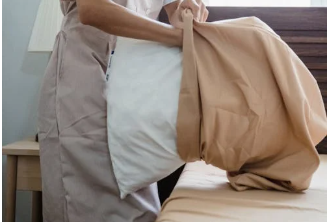
A pillow protector is a removable cover placed over your pillow and underneath your pillowcase. Its main purpose is to act as a barrier, protecting the pillow from moisture, dirt, allergens, and everyday wear.
Unlike decorative pillowcases, which are designed for comfort and style, pillow protectors focus on hygiene and durability.
Are Pillow Protectors Necessary?
Technically, you can sleep perfectly fine without a pillow protector. However, skipping one means your pillow is directly exposed to sweat, oils, dust mites, and spills. Over time, this can lead to stains, odors, and reduced pillow lifespan.
So while they are not mandatory, pillow protectors are highly recommended for maintaining a cleaner and healthier sleep setup.
Benefits of Using a Pillow Protector
Improved Hygiene
Every night, your pillow absorbs sweat, oils, and dead skin cells. A pillow protector prevents these from penetrating deep into the pillow, making it easier to keep your bedding clean.
Protection Against Allergens
Dust mites and allergens tend to accumulate inside pillows. A high-quality pillow protector can block these particles, making it a great option for people with allergies or asthma.
Longer Pillow Lifespan
Pillows are an investment, especially if you use memory foam or down alternatives. A pillow protector helps maintain their condition by preventing internal damage, allowing you to use them for longer.
Easier Maintenance
It’s much easier to wash a pillow protector than an entire pillow. Regular washing helps maintain freshness without the hassle of deep cleaning your pillow frequently.
Added Protection from Spills
Waterproof pillow protectors are especially useful for preventing liquid damage. This is ideal for children, pets, or anyone who enjoys eating or drinking in bed.
When Are Pillow Protectors Most Important?
For Allergy Sufferers
If you struggle with allergies, a pillow protector can make a noticeable difference. It helps reduce exposure to dust mites and other irritants that can disrupt sleep.
For Hot Sleepers
People who sweat during the night can benefit from breathable or moisture-resistant protectors that keep pillows dry and fresh.
For Families with Children
Kids are more likely to spill drinks or have accidents. A pillow protector provides peace of mind and easier cleanup.
For Expensive or Specialty Pillows
If you’ve invested in a high-quality pillow, using a protector helps preserve its structure and cleanliness over time.
When You Might Not Need One
Although beneficial, there are situations where a pillow protector may feel less necessary:
- If you replace your pillows frequently
- If you wash your pillows regularly and thoroughly
- If you are not concerned about allergens or stains
Even in these cases, using a pillow protector still offers added convenience and protection.
Pillow Protector vs Pillowcase
It’s important to understand that a pillowcase alone is not enough for full protection. While pillowcases provide comfort and style, they are usually not designed to block moisture or allergens completely.
For the best results, use both layers together:
- Pillow
- Pillow protector
- Pillowcase
This combination ensures both comfort and long-term protection.
How to Choose the Right Pillow Protector
If you decide to use one, selecting the right type matters.
Material
Look for breathable fabrics like cotton or bamboo for comfort and airflow.
Waterproof Features
Choose a waterproof protector if you want extra defense against spills or sweat.
Allergen Protection
For allergy relief, select protectors labeled as hypoallergenic or dust mite-proof.
Fit and Closure
A zippered closure provides better coverage and keeps the pillow fully sealed.
Care and Maintenance Tips
To get the most out of your pillow protector:
- Wash it every two to four weeks
- Follow care instructions on the label
- Use mild detergents
- Ensure it is completely dry before reuse
Proper care helps maintain effectiveness and prolongs its lifespan.
FAQs
Are pillow protectors worth it?
Yes, they are generally worth it. They improve hygiene, protect your pillow, and reduce the need for frequent replacements.
Do pillow protectors affect comfort?
Most modern pillow protectors are soft and breathable, so they do not noticeably affect comfort.
Can I use multiple pillow protectors?
While not necessary, some people use both a waterproof and a soft protector for maximum protection and comfort.
How long do pillow protectors last?
With proper care, a good-quality pillow protector can last several years.
Conclusion
Pillow protectors are not a strict necessity, but they offer clear advantages that make them a smart addition to your bedding. From improving hygiene and blocking allergens to extending the life of your pillow, the benefits far outweigh the small cost. If you want a cleaner, healthier, and more durable sleep environment, using a pillow protector is a simple step that can make a big difference.