
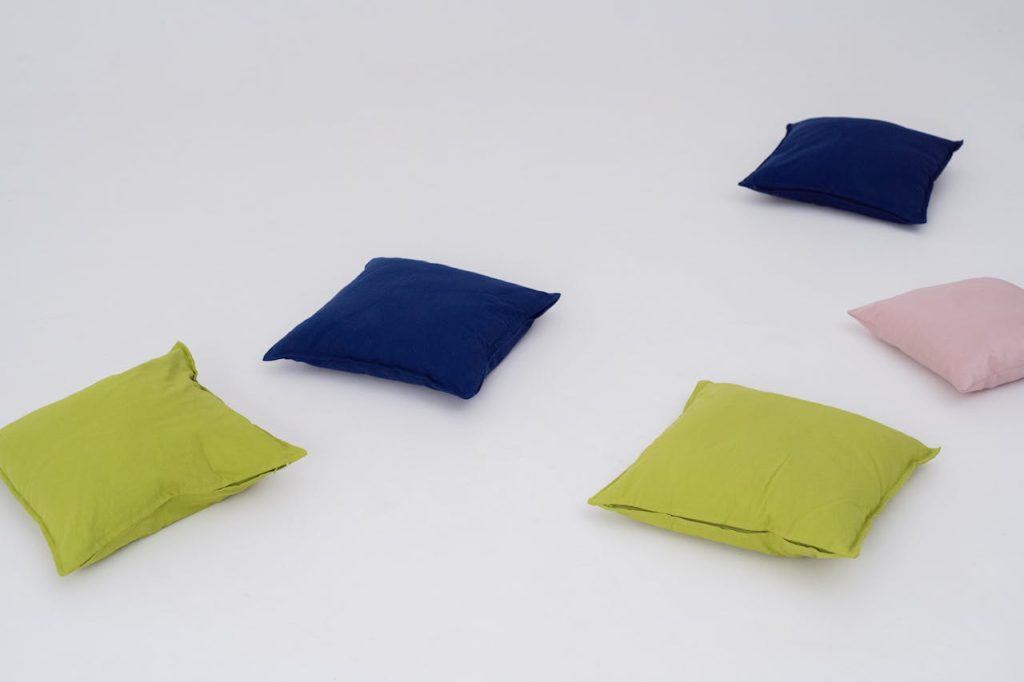
Suppose you just bought a new pillow from a store or ordered one online. At first, it feels soft and comfortable, but after a few days, you may start wondering what is actually inside that pillow. Is it foam, fiber, or something else?
Understanding what a pillow is made of is important because the material inside directly affects your comfort, support, and sleep quality. In this article, we will explain what pillows are made of, the different filling materials, and how they impact your sleep.
What Is Inside A Pillow
A pillow is mainly made of two parts: the outer cover and the inner filling.
The outer cover is usually made from fabric like cotton or polyester. It protects the pillow and keeps the filling inside.
The inner filling is the most important part. It gives the pillow its shape, softness, and support. Different pillows use different types of fillings depending on their purpose.
Common Pillow Filling Materials
There are several types of materials used inside pillows. Each one has its own benefits and drawbacks.
Memory Foam
Memory foam is one of the most popular pillow materials. It is designed to adjust to the shape of your head and neck.
These pillows provide strong support and are especially helpful for people with neck or shoulder pain. However, they can feel a bit warm for some users.
Polyester Fiber
Polyester fiber is a synthetic material that is widely used in affordable pillows.
These pillows are lightweight, soft, and budget-friendly. But they may lose their shape over time and need to be replaced more often.
Feather And Down
Feather and down pillows are filled with natural materials from birds.
They are very soft and comfortable, and you can easily adjust their shape. However, they may not provide enough support for everyone and can cause allergies in some people.
Latex
Latex pillows are made from natural or synthetic rubber.
They are firm, durable, and provide good support. Latex pillows also resist dust mites and are a good option for people with allergies.
Buckwheat Hulls
These pillows are filled with the outer shells of buckwheat seeds.
They are firm and provide excellent support. They also allow air to flow easily, keeping the pillow cool. However, they can feel heavy and make some noise when moved.
How Pillow Materials Affect Your Sleep
The material inside your pillow can make a big difference in how well you sleep.
Comfort Level
Soft materials like down feel cozy, while firmer materials like latex provide more support.
Temperature Control
Some materials trap heat, while others allow airflow and keep you cool during sleep.
Durability
Certain fillings like latex and memory foam last longer, while fiber pillows may flatten quickly.
Allergy Sensitivity
Natural fillings may cause allergies, while synthetic or hypoallergenic materials are safer for sensitive users.
How To Choose The Right Pillow Material
Choosing the right pillow material depends on your needs and preferences. Here are some simple steps to guide you.
Step 1: Know Your Comfort Preference
Decide whether you prefer a soft, medium, or firm pillow.
Step 2: Consider Your Sleeping Position
Your sleeping position affects which material will suit you best.
Step 3: Check For Allergies
If you have allergies, choose hypoallergenic materials like latex or synthetic fiber.
Step 4: Think About Temperature
If you feel hot at night, choose breathable materials like buckwheat or latex.
Step 5: Look At Durability
If you want a long-lasting pillow, go for memory foam or latex.
How To Take Care Of Pillow Materials
Proper care can extend the life of your pillow and keep it clean.
Use A Pillow Cover
A cover protects the pillow from dust, sweat, and stains.
Clean According To Material
Different materials require different cleaning methods. Always check the label before washing.
Fluff Regularly
Fluffing helps maintain the shape and comfort of your pillow.
Replace When Needed
Even the best pillows wear out over time. Replace them when they lose support.
FAQs About Pillow Materials
What is the best material for pillows
There is no single best material. It depends on your comfort, support needs, and budget.
Are natural fillings better than synthetic ones
Natural fillings are softer, while synthetic ones are often more durable and allergy-friendly.
Which pillow material lasts the longest
Latex and memory foam pillows usually last longer than fiber or feather pillows.
Can pillow material affect sleep quality
Yes, the wrong material can cause discomfort and poor sleep.
Are hypoallergenic pillows safe
Yes, they are designed to reduce allergic reactions and are safe for most people.
Conclusion
A pillow may look simple from the outside, but what’s inside matters the most. The filling material determines how comfortable, supportive, and durable your pillow will be.
By understanding different pillow materials, you can make a better choice and improve your sleep quality. Always choose a pillow that matches your comfort, sleeping position, and personal needs.