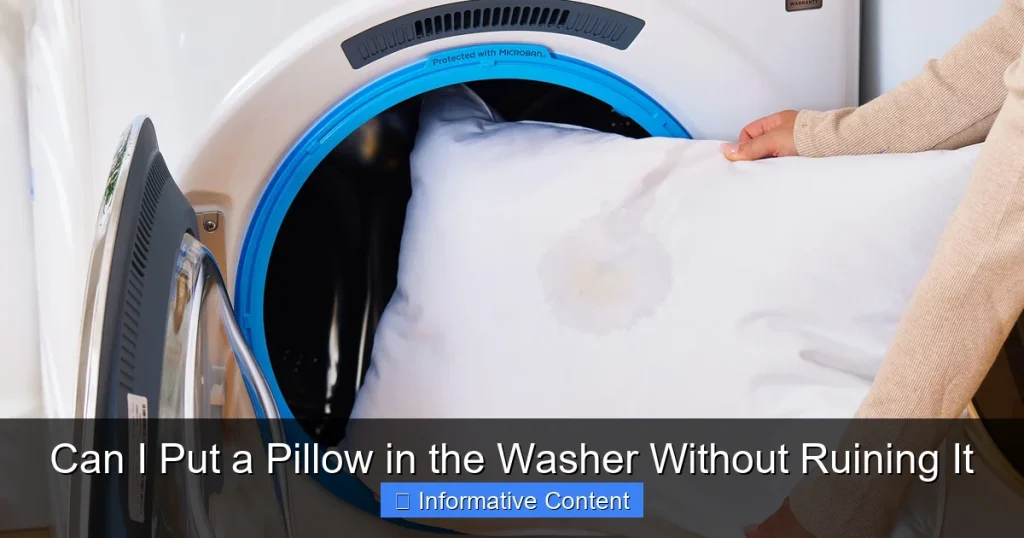
Yes, you can put most pillows in the washer — but it depends on the filling type and care label instructions. This guide breaks down exactly which pillows are safe to machine wash, how to do it step by step, and the common mistakes that ruin pillows for good.
Key Takeaways
- Check the care label first: The care tag is your best friend. It tells you whether your pillow is machine-washable or needs hand washing or spot cleaning only.
- Most synthetic and down pillows can be washed: Polyester, down-alternative, and real down pillows generally handle machine washing well when done correctly.
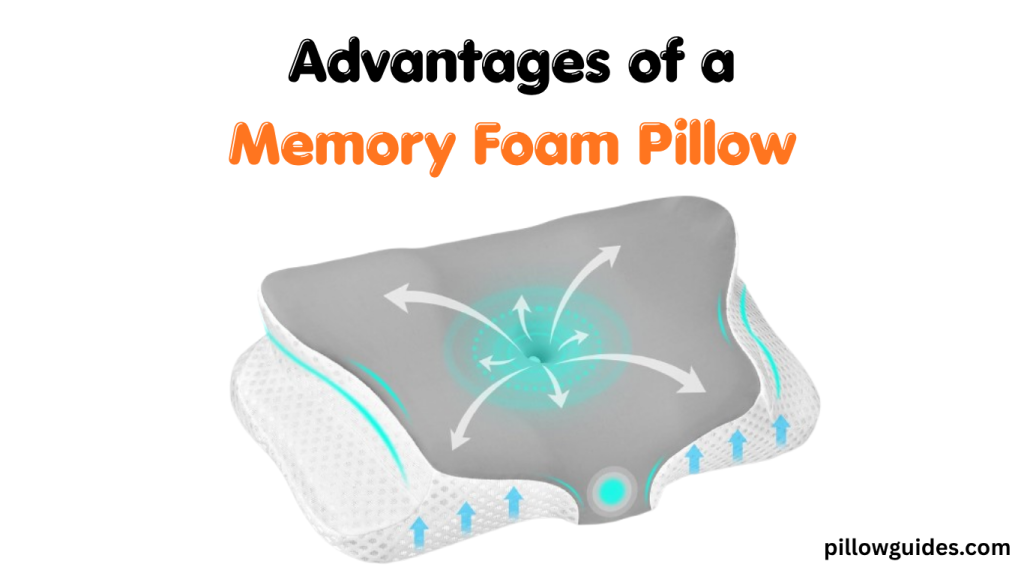
- Memory foam pillows should never go in the washer: Water breaks down the foam structure, so these require spot cleaning only.
- Use a gentle cycle with warm water: Hot water can damage filling and fabric. A delicate or gentle cycle with warm or cold water works best.
- Wash two pillows at a time: This balances the load and prevents your washing machine from becoming unbalanced during the spin cycle.
- Dry thoroughly to prevent mold: Damp pillows breed mold and mildew fast. Use low heat and allow plenty of drying time.
- Use a pillow protector to reduce washing frequency: A good pillow protector keeps sweat, oils, and dust mites at bay, meaning you won’t need to wash as often.
Quick Answers to Common Questions
Can I wash all types of pillows in the washing machine?
No. Polyester, down-alternative, and real down pillows are generally safe for machine washing. Memory foam and latex pillows should never go in the washer — they need spot cleaning only.
What washing machine settings should I use for pillows?
Use a gentle or delicate cycle with warm or cold water. Avoid hot water, as it can damage the pillow’s filling and fabric.
Should I wash one pillow or two at a time?
Always wash two pillows at a time to balance the load. If you only have one pillow, add a couple of towels to keep the machine balanced during the spin cycle.
Can I use fabric softener when washing pillows?
No. Fabric softener coats the fibers and reduces breathability. Use a mild detergent instead and run an extra rinse cycle to remove all soap residue.
How do I know when my pillow is fully dry?
Feel the pillow in multiple spots, especially the center. If any area feels cool or damp, it needs more drying time. For down pillows, break apart any clumps by hand to check for moisture inside.
📑 Table of Contents
- Can I Put a Pillow in the Washer Without Ruining It?
- Which Pillows Are Safe to Machine Wash?
- How to Check If Your Pillow Is Machine-Washable
- Step-by-Step Guide to Washing Pillows in the Washer
- How to Dry Pillows Properly
- Common Mistakes That Ruin Pillows in the Washer
- How Often Should You Wash Your Pillows?
- Final Thoughts
Can I Put a Pillow in the Washer Without Ruining It?
Let’s be honest — pillows get gross. Sweat, drool, dead skin cells, dust mites, and who knows what else build up over time. If your pillow smells funky or looks yellowed, you’re probably wondering: can I just toss it in the washing machine?
The short answer is yes, in most cases. But there’s a right way and a wrong way to do it. Tossing a pillow in the washer without checking a few things first can leave you with a lumpy, misshapen mess — or worse, a broken washing machine. Don’t worry though. This guide walks you through everything you need to know so you can wash your pillows with total confidence.
Before you do anything, it helps to understand what your pillow is made of, because the filling type determines whether machine washing is safe.
Which Pillows Are Safe to Machine Wash?
Polyester and Down-Alternative Pillows
These are the easiest pillows to wash. Polyester fiberfill and most down-alternative pillows handle machine washing like champs. They’re durable, dry relatively quickly, and bounce back to their original shape without much fuss. If you have a standard bed pillow from a big-box store, there’s a very good chance it’s polyester-filled and totally washer-friendly.
Real Down Pillows
Genuine down pillows can go in the washer, but they need extra care. Use a front-loading machine if possible — the agitator in top-loaders can tear the fabric and damage the delicate down clusters. Wash on a gentle cycle with a mild detergent, and be prepared for a longer drying time. Down holds moisture, so patience is key here.
Memory Foam Pillows
Here’s where you need to stop. Never put a memory foam pillow in the washing machine. Memory foam absorbs water like a sponge, and once it’s soaked, it’s nearly impossible to dry completely. The foam structure breaks down, and you’ll end up with a flat, ruined pillow. If you own a memory foam pillow, stick to spot cleaning with a damp cloth and mild soap.
Latex Pillows
Similar to memory foam, latex pillows don’t belong in the washer. Water degrades the latex material over time, and the agitation can cause it to crumble. Spot clean only for these.
How to Check If Your Pillow Is Machine-Washable
The single most important step before washing is reading the care label. Every pillow comes with a tag that specifies washing instructions. Look for these symbols and terms:
- “Machine washable” — You’re good to go.
- “Machine wash gentle/delicate” — Use the gentle cycle.
- “Hand wash only” — Don’t risk it in the machine.
- “Dry clean only” — Take it to a professional.
- “Spot clean only” — This applies to memory foam and latex.
If the tag is missing or faded, identify the filling type and follow the guidelines above. When in doubt, err on the side of caution and hand wash or spot clean.
Step-by-Step Guide to Washing Pillows in the Washer
Ready to wash? Here’s the process that works every time. For a more detailed walkthrough, check out our full guide on how to wash pillows in a washing machine.
Step 1: Prep Your Pillows
Remove pillowcases and pillow protectors. Check for any tears or holes in the pillow cover — if you find any, stitch them up before washing, or filling can leak out and clog your machine.
Step 2: Load Two Pillows
Always wash two pillows at a time. This balances the drum and prevents your machine from shaking violently during the spin cycle. If you only have one pillow, toss in a couple of towels to even things out.
Step 3: Choose the Right Settings
Use warm or cold water on a gentle or delicate cycle. Hot water can damage filling and cause fabric to shrink. Add a small amount of mild detergent — skip the fabric softener, as it coats the fibers and reduces the pillow’s ability to breathe.
Step 4: Run an Extra Rinse Cycle
Detergent residue makes pillows stiff and can cause skin irritation. Run an extra rinse to make sure all soap is washed out.
Step 5: Press Out Excess Water
After the cycle ends, gently press the pillows to remove excess water. Don’t wring or twist them — this damages the filling.
How to Dry Pillows Properly
Drying is arguably more important than washing. A damp pillow is a breeding ground for mold and mildew, and nobody wants that near their face.
Tumble Dry on Low Heat
Most pillows can go in the dryer on a low heat setting. Toss in a couple of clean tennis balls or dryer balls to help break up clumps and restore fluffiness. This is especially important for down pillows.
Be Patient
Drying can take one to three hours depending on the filling type. Down pillows take the longest. Make sure the pillow is completely dry inside and out before putting it back on your bed. If you’re unsure about timing, our guide on how long to dry pillows in the dryer has you covered.
Air Dry as an Alternative
If you don’t have a dryer or prefer not to use one, lay pillows flat on a clean, dry surface in a well-ventilated area. Flip them every few hours. This method takes longer — sometimes a full day or more — but it’s gentler on the filling.
Common Mistakes That Ruin Pillows in the Washer
Even with good intentions, people make these mistakes all the time. Avoid them and your pillows will last years longer.
- Using hot water: It can melt synthetic fibers and damage down clusters. Stick to warm or cold.
- Overloading the machine: Pillows need room to move. Cramming too many in prevents proper cleaning.
- Using too much detergent: Excess soap doesn’t rinse out fully and leaves pillows stiff and scratchy.
- Skipping the extra rinse: Detergent buildup is a real problem. Always double rinse.
- Not drying completely: Even slightly damp pillows develop mold. Take the time to dry them fully.
- Washing memory foam: We said it before, but it bears repeating. Keep foam out of the washer.
How Often Should You Wash Your Pillows?
Most experts recommend washing pillows every three to six months. If you sweat a lot at night, have allergies, or don’t use a pillow protector, you might want to wash them more frequently.
Speaking of which — using a pillow protector is one of the smartest things you can do. It acts as a barrier against sweat, oils, dust mites, and allergens. A protector is much easier to wash than the pillow itself, and it significantly extends the life of your pillow.
Final Thoughts
So, can you put a pillow in the washer without ruining it? Absolutely — as long as you know what you’re doing. Check the care label, identify the filling type, use the right settings, and dry thoroughly. It’s a simple process that makes a huge difference in sleep hygiene and comfort.
Clean pillows mean better sleep, fewer allergens, and a fresher bed overall. Don’t wait until your pillows are visibly stained or smelly. Build pillow washing into your regular cleaning routine, and your future self will thank you every single night.
Frequently Asked Questions
Can I put a pillow in the washer if it doesn’t have a care label?
If there’s no care label, identify the filling first. Polyester and down-alternative pillows are usually safe to machine wash on a gentle cycle. When in doubt, hand wash or spot clean to avoid damage.
How often should I replace my pillows?
Most pillows should be replaced every one to two years, even with regular washing. If your pillow doesn’t bounce back after flaking, has persistent odors, or causes neck pain, it’s time for a new one.
Can washing a pillow remove dust mites?
Yes. Washing pillows in warm water helps kill dust mites and remove their allergens. For best results, wash every three to six months and use a pillow protector between washes.
Is it okay to wash pillows in a top-loading machine?
Yes, but be cautious with down pillows. The central agitator in top-loading machines can be rough on delicate fillings. If you have a front-loader, use it — it’s gentler on pillows overall.
What happens if I don’t dry my pillow completely?
A damp pillow quickly develops mold and mildew, which can cause respiratory issues and unpleasant odors. Always dry your pillow thoroughly before using it again.
Can I wash decorative pillows and throw pillows in the machine?
It depends on the filling and fabric. Check the care label first. Many polyester-filled throw pillows are machine washable, but pillows with delicate fabrics, embellishments, or foam inserts should be hand washed or spot cleaned.