
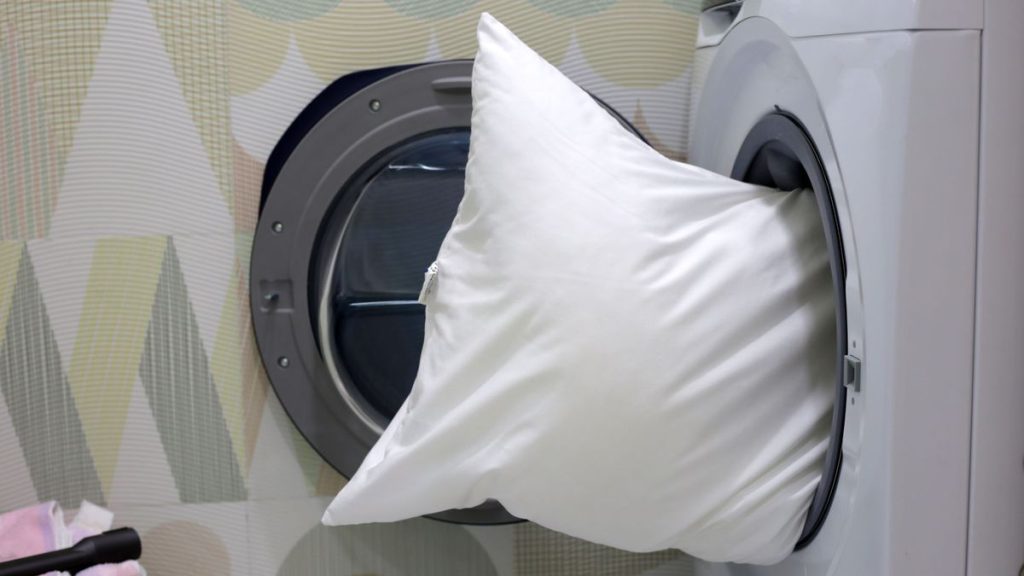
Pillows collect sweat, dust mites, dead skin cells, and allergens over time, making regular cleaning essential for better hygiene and sleep quality. If you’re wondering how to wash pillows in a washing machine, the good news is that many pillows are machine washable when cleaned properly.
In this guide, you’ll learn the safest way to wash different pillow types, avoid damage, and keep your pillows fresh, fluffy, and long-lasting. By the you can check our previous article, where we discussed that how you can wash a pillow by hand. Anyway, without wasting anytime, lets jump to the article.
Can You Wash Pillows in a Washing Machine?
Yes, most pillows can be washed in a washing machine, including:
- Down pillows
- Feather pillows
- Polyester fiberfill pillows
- Cotton pillows
However, some pillows should not be machine washed, such as:
- Memory foam pillows
- Latex pillows
Always check the care label before washing to avoid damaging the material.
Why You Should Wash Pillows Regularly
Even if you use pillowcases, pillows still absorb oils, sweat, and dust over time. Washing pillows regularly helps:
- Remove allergens and dust mites
- Eliminate odors
- Improve sleep hygiene
- Extend pillow lifespan
- Keep pillows fluffy and comfortable
Experts recommend washing pillows every 3–6 months.
What You Need Before Washing Pillows
Before starting, gather the following:
- Mild liquid detergent
- Washing machine
- Dryer balls or clean tennis balls
- Clean towels (optional)
- Pillow care instructions
Avoid using too much detergent, as residue can remain trapped inside the pillow filling.
Step-by-Step: How to Wash Pillows in a Washing Machine
Step 1: Read the Care Label
The care label tells you:
- Water temperature
- Washing instructions
- Drying recommendations
- Whether machine washing is safe
Skipping this step may ruin delicate pillow materials.
Step 2: Remove Pillow Covers
Take off:
- Pillowcases
- Protective covers
- Decorative shams
Wash these separately according to fabric instructions.
Step 3: Check for Damage
Inspect pillows for:
- Tears
- Holes
- Weak seams
Small openings can worsen during the wash cycle and release filling into the machine.
Step 4: Load Two Pillows at Once
Place two pillows in the washer to keep the machine balanced during spinning.
For top-loading machines, position pillows vertically if possible.
Step 5: Use a Gentle Cycle
Choose:
- Warm water
- Gentle or delicate cycle
- Mild detergent
Avoid bleach unless the care label specifically allows it.
Step 6: Run an Extra Rinse Cycle
Pillows can trap soap inside the filling. An extra rinse helps remove detergent completely and prevents stiffness.
How to Dry Pillows Properly
Drying is just as important as washing. Damp pillows can develop mold or mildew if not fully dried.
Use Low Heat
High temperatures may damage filling materials or shrink fabrics.
Best dryer settings:
- Low heat
- Medium heat for synthetic pillows only
Add Dryer Balls or Tennis Balls
These help:
- Restore fluffiness
- Prevent clumping
- Improve airflow
Wrap tennis balls in clean socks to reduce noise.
Check Pillows Frequently
Pause the dryer every 20–30 minutes to:
- Fluff pillows manually
- Redistribute filling
- Check moisture levels
Ensure Pillows Are Completely Dry
Even slight dampness inside the pillow can lead to unpleasant odors and mold growth.
A fully dry pillow should feel:
- Light
- Fluffy
- Free from cool or damp spots
How to Wash Different Types of Pillows
Down and Feather Pillows
These are usually machine washable but require gentle handling.
Tips:
- Use mild detergent
- Wash on delicate cycle
- Dry thoroughly to avoid clumping
Polyester Pillows
Synthetic pillows are generally easy to clean.
Tips:
- Warm water works well
- Medium heat drying is usually safe
- Avoid excessive detergent
Memory Foam Pillows
Most memory foam pillows should not go in the washing machine.
Instead:
- Spot clean stains
- Use mild soap
- Air dry completely
Machine washing can damage the foam structure.
Latex Pillows
Latex pillows are not machine washable.
Best cleaning method:
- Spot cleaning
- Gentle hand washing if allowed
- Air drying only
Common Mistakes to Avoid
Using Too Much Detergent
Excess soap can remain trapped inside the pillow, causing stiffness and odors.
Washing One Pillow Alone
This can unbalance the washing machine and strain the drum.
Drying on High Heat
High temperatures may damage pillow filling or shrink the fabric.
Storing Damp Pillows
Never store pillows until fully dry to prevent mold and mildew.
How Often Should You Wash Pillows?
Here’s a simple guideline:
| Pillow Item | Recommended Cleaning |
|---|---|
| Pillowcases | Weekly |
| Pillow Protectors | Monthly |
| Pillows | Every 3–6 Months |
Regular cleaning keeps your sleep environment healthier and fresher.
Signs It’s Time to Replace Your Pillow
Even with proper washing, pillows eventually wear out.
Replace pillows if they:
- Stay flat after fluffing
- Have persistent odors
- Feel lumpy
- Cause neck discomfort
- Show yellow stains that won’t wash out
Most pillows should be replaced every 1–2 years.
Final Thoughts on Washing Pillows in a Washing Machine
Learning how to wash pillows in a washing machine is an easy way to improve cleanliness, comfort, and sleep quality. Most down, feather, and synthetic pillows can be safely machine washed using gentle settings and proper drying techniques.
To keep pillows in the best condition:
- Follow care labels carefully
- Use mild detergent
- Wash two pillows together
- Dry completely on low heat
With regular care, your pillows will stay fresh, fluffy, and comfortable for years to come.

Pingback: How to Style a Sectional with Pillows for a Cozy Look - Pillow Guides
Pingback: What Size Is a Standard Size Pillow and How to Choose the Right One - Pillow Guides
Pingback: How to Use Pillow Shams for a Stylish Bedroom Look - Pillow Guides
Pingback: How to Wash a Casper Pillow the Right Way - Pillow Guides
Pingback: How to Wash a Pillow with Feathers Safely and Effectively - Pillow Guides
Pingback: Can You Donate Pillows to Goodwill Here Is What You Need to Know - Pillow Guides
Pingback: How to Wash a Squishmallow Pillow Safely and Easily - Pillow Guides
Pingback: How to Wash a Tempur Pillow - Pillow Guides
Pingback: Can You Wash a Memory Foam Pillow Without Ruining It - Pillow Guides
Pingback: How to Recycle Old Pillows EcoFriendly Disposal Guide - Pillow Guides
Pingback: How to Wash a Pillow Pet the Right Way - Pillow Guides
Pingback: Top Places to Buy Decorative Pillows for Your Home - Pillow Guides
Pingback: How to Wash Pillows and Keep Them Fluffy Like New - Pillow Guides
Pingback: 5 Best Soft Bed Pillows for Ultimate Comfort and Restful Sleep - Pillow Guides