
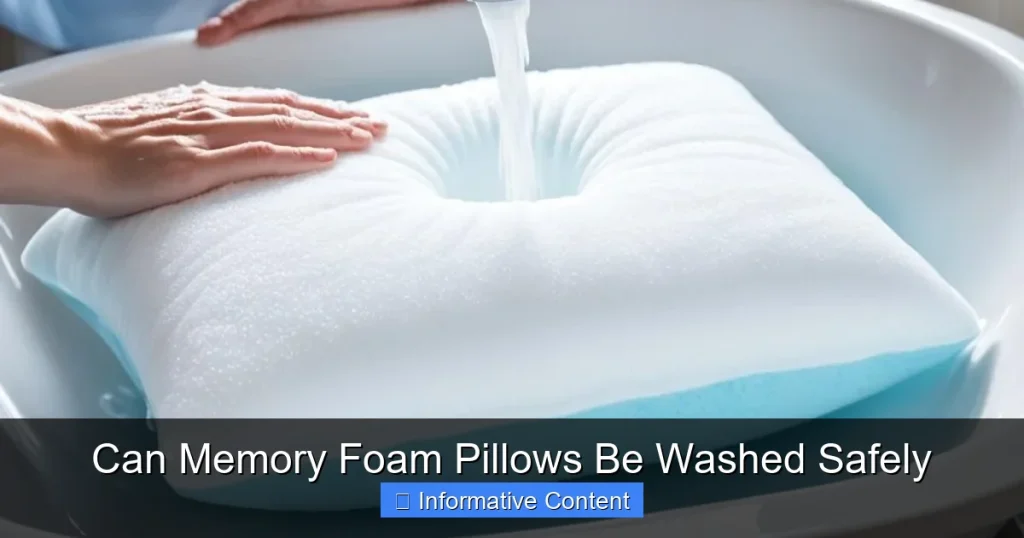
Memory foam pillows cannot be submerged in water or tossed into a washing machine without risking permanent damage to their structure. However, you can safely clean them using spot cleaning, deodorizing techniques, and proper removable cover maintenance. This guide covers everything you need to know about keeping your memory foam pillow fresh and hygienic.
Key Takeaways
- Never submerge memory foam in water: Water breaks down the foam’s cellular structure, leading to permanent damage and loss of support.
- Spot cleaning is the safest method: Use a damp cloth with mild soap to target specific stains without soaking the foam.
- Always use a removable pillow cover: A washable cover protects your pillow and makes maintenance significantly easier.
- Baking soda is your best friend: It naturally deodorizes and absorbs moisture without harming the foam material.
- Avoid the washing machine and dryer entirely: Both appliances will destroy the foam’s shape, support, and overall integrity.
- Air drying in sunlight works wonders: UV rays naturally kill bacteria and eliminate odors safely.
- Regular maintenance extends lifespan: Weekly vacuuming and monthly deodorizing keep your pillow in top condition for years.
Quick Answers to Common Questions
Can I put my memory foam pillow in the washing machine?
No, you should never put a memory foam pillow in a washing machine. The agitation and water will destroy the foam’s internal structure, causing it to tear, crumble, and lose its supportive qualities permanently.
How do I remove stains from a memory foam pillow?
Use a damp cloth with a small amount of mild detergent to gently blot the stain. Avoid rubbing, and make sure to absorb excess moisture with a dry towel afterward. Let the pillow air dry completely before using it again.
Can I use a dryer to dry my memory foam pillow?
No, never use a dryer for memory foam pillows. The heat will warp, shrink, or potentially melt the foam. Always air dry memory foam pillows naturally in a well-ventilated area or in sunlight.
How often should I clean my memory foam pillow?
Wash the removable cover weekly, deodorize the pillow with baking soda monthly, and vacuum the surface every one to two weeks. Spot clean stains immediately to prevent them from setting in.
Does baking soda damage memory foam?
No, baking soda is completely safe for memory foam. It effectively absorbs odors and surface moisture without harming the foam’s structure. Just vacuum it off thoroughly after letting it sit for 30 minutes to a few hours.
📑 Table of Contents
Can You Really Wash a Memory Foam Pillow?
If you’ve ever stared at your memory foam pillow and wondered whether you can just toss it in the wash, you’re not alone. It’s one of the most common questions people ask when it comes to pillow care. The short answer is no — you should never fully submerge a memory foam pillow in water or throw it into a washing machine. But don’t worry, that doesn’t mean you’re stuck with a dirty, smelly pillow forever.
Memory foam is a unique material. Unlike traditional feather pillows that can handle a gentle machine wash, memory foam reacts very differently to water. The foam is made up of tiny air pockets that give it that signature contouring feel. When you soak it in water, those pockets absorb moisture deep inside. This breaks down the foam’s internal structure and can cause it to crumble, lose its shape, or develop mold and mildew. Not exactly what you want resting under your head every night.
The good news is that keeping your memory foam pillow clean doesn’t have to be complicated. With the right techniques, you can maintain a fresh, hygienic pillow without ever needing to dunk it in water. Let’s walk through everything you need to know.
Why Water Is Memory Foam’s Worst Enemy
The Science Behind the Damage
Memory foam, also known as viscoelastic polyurethane foam, is designed to be responsive to heat and pressure. Its open-cell structure is what allows it to mold to your head and neck. However, this same structure acts like a sponge when exposed to water. Once moisture penetrates deep into the foam, it becomes nearly impossible to fully remove.
When you learn what a memory foam pillow is, you’ll understand that its support system relies on the integrity of those air cells. Waterlogged foam cells collapse and don’t bounce back. This means your pillow will lose its supportive qualities permanently. Even if the pillow looks fine on the outside after drying, the interior may already be compromised.
What Happens When You Machine Wash Memory Foam
Putting memory foam in a washing machine is a recipe for disaster. The agitation and spinning cycles will tear the foam apart. The material is simply not built to withstand that kind of physical stress. You’ll likely end up with a pillow that’s torn, lumpy, and completely unusable. The same goes for the dryer — the heat will warp and potentially melt the foam. If you’re curious about whether you can put pillows in the dryer on high heat, the answer for memory foam is a firm no.
How to Safely Clean Your Memory Foam Pillow
Spot Cleaning for Stains
Spot cleaning is the gold standard for removing stains from memory foam pillows. Here’s how to do it properly. First, mix a small amount of mild detergent with warm water. Dip a clean cloth or sponge into the solution and wring it out thoroughly — you want it damp, not wet. Gently blot the stained area without rubbing, as rubbing can push the stain deeper into the foam.
After blotting, use a clean, dry towel to absorb as much moisture as possible. Then, let the pillow air dry completely in a well-ventilated area before using it again. Never use harsh chemicals, bleach, or solvents on memory foam, as these can break down the material just as water does.
Deodorizing With Baking Soda
Over time, memory foam pillows can absorb odors from sweat, oils, and the environment. Baking soda is a natural and effective solution for this. Simply remove the pillowcase and sprinkle a generous layer of baking soda over the entire surface of the pillow. Let it sit for at least 30 minutes, though leaving it for a few hours or even overnight works even better.
The baking soda will absorb odors and any surface moisture. Afterward, use a vacuum cleaner with an upholstery attachment to remove all the baking soda residue. This method is safe, inexpensive, and can be done monthly to keep your pillow smelling fresh. For more detailed instructions, check out our guide on how to wash pillows with baking soda.
Using Sunlight as a Natural Sanitizer
Sunlight is one of the best natural sanitizers available. UV rays from the sun kill bacteria, dust mites, and mold spores without any chemicals or water. On a sunny day, take your memory foam pillow outside and let it sit in direct sunlight for a few hours. Flip it halfway through to ensure both sides get adequate exposure.
This method is particularly useful if your pillow has absorbed moisture or developed a musty smell. Just be careful not to leave it in extreme heat for extended periods, as excessive heat can also affect the foam’s texture over time.
The Importance of a Removable Pillow Cover
If there’s one thing that will make caring for your memory foam pillow dramatically easier, it’s a high-quality removable cover. A washable cover acts as a barrier between your body and the foam, absorbing sweat, oils, and dead skin cells before they reach the pillow itself.
Most memory foam pillows come with a zippered cover that can be removed and machine washed. Wash the cover every one to two weeks using warm water and a gentle detergent. Make sure it’s completely dry before putting it back on the pillow. This simple habit will keep your pillow clean and extend its lifespan significantly.
When choosing a cover, look for breathable fabrics like cotton or bamboo. These materials wick away moisture and help regulate temperature, which is especially beneficial if you’re exploring the advantages of a memory foam pillow for better sleep quality.
What to Avoid When Cleaning Memory Foam
Knowing what not to do is just as important as knowing the right cleaning methods. Here are the biggest mistakes people make with memory foam pillows.
Never use a washing machine. The agitation will destroy the foam’s structure in a single cycle. Avoid the dryer completely. Even on low heat, the dryer can warp and damage memory foam. If you’re wondering whether you can put pillows in the dryer to fluff them, memory foam is not the type to try this with.
Don’t use excessive water. Even soaking a small area can cause internal damage that isn’t visible on the surface. Skip the steam cleaner too. While it might seem like a good idea for sanitizing, the moisture and heat from steam cleaning can be just as harmful as submersion. Avoid harsh cleaning products. Bleach, ammonia, and other strong chemicals will break down the foam material.
How Often Should You Clean Your Memory Foam Pillow?
A good rule of thumb is to clean your memory foam pillow cover weekly and deodorize the pillow itself monthly. Spot clean any stains as soon as they happen to prevent them from setting in. Vacuum the pillow surface every week or two to remove dust, dead skin cells, and allergens.
With proper care, a quality memory foam pillow can last two to three years or even longer. Regular maintenance not only keeps the pillow clean but also helps preserve its supportive properties. If you notice your pillow has lost its shape or no longer provides adequate support despite proper cleaning, it’s probably time for a replacement.
Conclusion
So, can memory foam pillows be washed? Not in the traditional sense. You should never submerge them in water or put them in a washing machine or dryer. But that doesn’t mean you can’t keep them clean and fresh. By using spot cleaning for stains, baking soda for deodorizing, sunlight for sanitizing, and a washable cover for everyday protection, you can maintain a hygienic memory foam pillow without risking damage to its structure.
The key is gentle, consistent care. Treat your memory foam pillow right, and it will continue to provide the comfort and support you love for years to come.
Frequently Asked Questions
Can memory foam pillows be washed in water?
No, memory foam pillows should never be fully submerged in water. The foam absorbs moisture deep into its cellular structure, which causes permanent damage, loss of support, and potential mold growth. Spot cleaning is the only safe water-based method.
What is the best way to deodorize a memory foam pillow?
Sprinkle baking soda generously over the pillow surface and let it sit for at least 30 minutes or up to overnight. The baking soda absorbs odors naturally. Vacuum it off completely using an upholstery attachment.
How long does it take for a memory foam pillow to air dry?
After spot cleaning, a memory foam pillow typically takes 24 to 48 hours to air dry completely depending on humidity and airflow. Place it in a well-ventilated area or near a fan to speed up the process.
Can I use essential oils on my memory foam pillow?
It’s best to avoid applying essential oils directly to memory foam as the oils can degrade the foam material over time. Instead, add a few drops to your baking soda during the deodorizing process for a light, pleasant scent.
Should I flip my memory foam pillow regularly?
Yes, flipping and rotating your memory foam pillow every week or two helps distribute wear evenly and extends its lifespan. This prevents the foam from developing permanent indentations on one side.
Can I use a steam cleaner on memory foam?
No, steam cleaners should not be used on memory foam pillows. The combination of heat and moisture can damage the foam’s structure just as submersion in water would. Stick to dry or barely damp cleaning methods.
Pingback: Can You Put Pillows In The Washer A Complete Cleaning Guide - Pillow Guides
Pingback: Can Pillows Be Washed Here Is Everything You Need To Know - Pillow Guides
Pingback: Can You Put Pillows In The Dryer A Simple Care Guide - Pillow Guides