
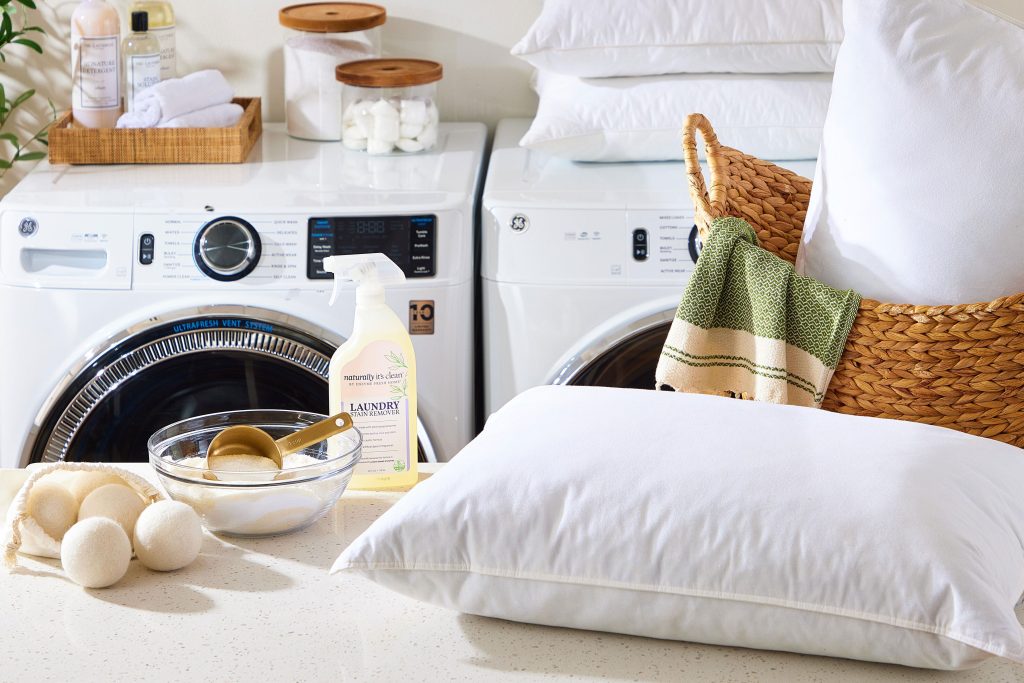
Pillows naturally collect sweat, body oils, dust mites, and odors over time. If your pillows smell musty or look dull, baking soda can help restore freshness without using harsh chemicals. Many homeowners search for natural cleaning methods, and learning how to wash pillows with baking soda is one of the easiest and most effective solutions.
In this guide, you’ll discover how baking soda cleans pillows, the safest washing methods, and tips to keep your pillows fresh, fluffy, and long-lasting.
Why Use Baking Soda to Clean Pillows?
Baking soda is a natural deodorizer and gentle cleaning agent. It helps remove odors, absorb moisture, and brighten fabrics without damaging most pillow materials.
Benefits of using baking soda on pillows include:
- Neutralizes unpleasant odors
- Helps remove sweat stains
- Freshens pillow fabric naturally
- Softens pillow filling
- Reduces chemical exposure
- Affordable and easy to use
Because it’s non-abrasive, baking soda works well for many washable pillow types.
Can All Pillows Be Washed With Baking Soda?
Most washable pillows can safely be cleaned with baking soda, including:
- Polyester pillows
- Down pillows
- Feather pillows
- Cotton pillows
However, some pillow materials require extra caution.
Avoid Machine Washing:
- Memory foam pillows
- Latex pillows
These pillows should usually be spot cleaned only because machine washing may damage their structure. Always check the care label before cleaning any pillow. But not all, there are some pillows which can be washed on washing machine, here how you can wash your pillows by washing maching.
What You Need to Wash Pillows With Baking Soda
Before starting, gather these supplies:
- Baking soda
- Mild liquid detergent
- Washing machine
- Warm water
- Dryer balls or tennis balls
- Clean towels
Using a small amount of detergent along with baking soda often delivers the best cleaning results.
How to Wash Pillows With Baking Soda Step by Step
Step 1: Remove Pillow Covers
Take off:
- Pillowcases
- Protective covers
- Decorative shams
Wash these separately according to their fabric instructions.
Step 2: Inspect the Pillow
Check for:
- Tears
- Weak seams
- Holes
Repair any damage before washing to prevent filling from leaking during the cycle.
Step 3: Add Baking Soda to the Washer
Place your pillows in the washing machine and add:
- ½ cup baking soda
- Small amount of mild detergent
Baking soda helps deodorize and break down oils trapped inside the pillow.
Step 4: Use a Gentle Wash Cycle
Choose:
- Warm water
- Gentle or delicate cycle
Avoid hot water unless the care label specifically allows it.
For best balance, wash two pillows at the same time.
Step 5: Run an Extra Rinse Cycle
Pillows can hold detergent deep inside the filling. An extra rinse helps remove:
- Soap residue
- Baking soda buildup
- Remaining dirt
This keeps pillows soft and fluffy after drying.
How to Remove Odors Using Baking Soda Without Washing
If your pillow isn’t machine washable, baking soda can still freshen it.
Quick Baking Soda Deodorizing Method
Instructions:
- Sprinkle baking soda evenly over the pillow
- Let it sit for 1–2 hours
- Vacuum the baking soda thoroughly
- Air out the pillow in sunlight if possible
This method works well for:
- Memory foam pillows
- Decorative pillows
- Light odor removal
How to Dry Pillows After Washing
Drying pillows properly is extremely important. Damp pillows may develop mold or mildew.
Use Low Heat
High temperatures can damage pillow filling or cause shrinking.
Best drying settings:
- Low heat
- Medium heat for synthetic pillows only
Add Dryer Balls or Tennis Balls
These help:
- Prevent clumping
- Restore fluffiness
- Improve airflow
Pause the dryer occasionally to fluff pillows by hand.
Make Sure Pillows Are Completely Dry
Even slight moisture inside a pillow can create odors and mildew growth.
A dry pillow should feel:
- Light
- Soft
- Fully fluffy
- Free from cool spots
Benefits of Cleaning Pillows With Baking Soda
Using baking soda regularly can improve both pillow cleanliness and sleep hygiene.
1. Eliminates Odors Naturally
Baking soda absorbs sweat and musty smells trapped inside pillow fibers.
2. Brightens White Pillows
It helps reduce yellow discoloration caused by oils and perspiration.
3. Gentle on Fabrics
Unlike strong bleach products, baking soda is less harsh on pillow materials.
4. Budget-Friendly Cleaning Solution
Baking soda is inexpensive and commonly available in most homes.
Common Mistakes to Avoid
Using Too Much Baking Soda
Excess baking soda may leave residue inside the pillow if not rinsed properly.
Drying Pillows on High Heat
High temperatures can damage filling and shorten pillow lifespan.
Washing Non-Washable Pillows
Memory foam and latex pillows should not usually go into washing machines.
Storing Damp Pillows
Always ensure pillows are fully dry before placing them back on the bed.
How Often Should You Wash Pillows?
Here’s a simple cleaning schedule:
| Item | Recommended Cleaning |
|---|---|
| Pillowcases | Weekly |
| Pillow Protectors | Monthly |
| Pillows | Every 3–6 Months |
Regular cleaning helps reduce allergens and improve sleep comfort.
Signs Your Pillow Needs Cleaning
You should wash or freshen pillows if you notice:
- Yellow stains
- Musty smells
- Flattened filling
- Allergy symptoms
- Excessive sweating buildup
Keeping pillows clean supports a healthier sleep environment.
Final Thoughts on Washing Pillows With Baking Soda
Learning how to wash pillows with baking soda is a simple, affordable, and natural way to keep pillows fresh and odor-free. Baking soda helps remove smells, absorb oils, and brighten fabrics without harsh chemicals.
For the best results:
- Use gentle wash cycles
- Avoid excessive heat
- Dry pillows completely
- Follow pillow care labels carefully
With regular cleaning and proper care, your pillows can stay fluffy, fresh, and comfortable for much longer.
Pingback: How Do I Wash My Pillow the Right Way - Pillow Guides
Pingback: How to Sleep With a Pregnancy Pillow for Ultimate Comfort Tonight - Pillow Guides