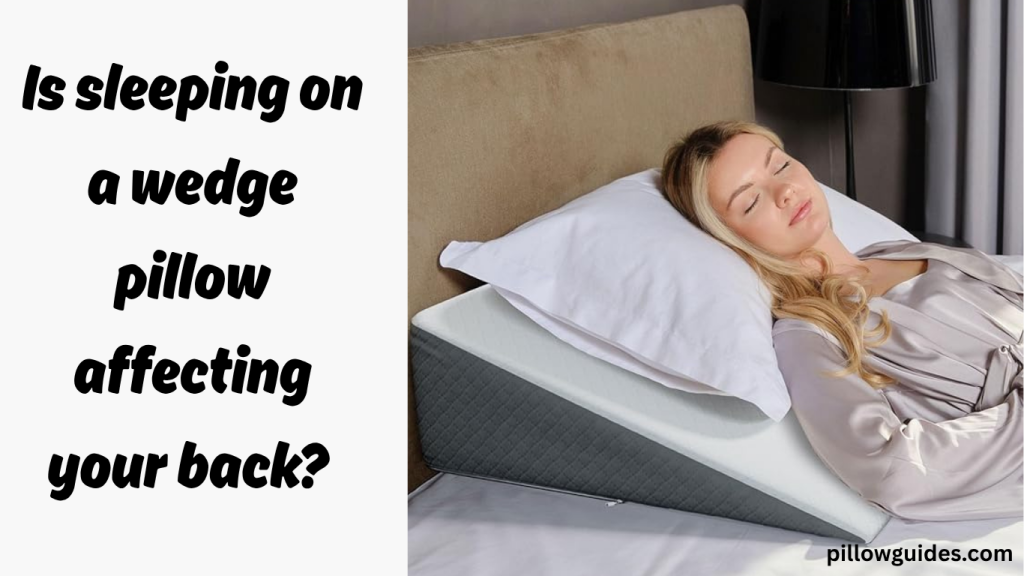
Wedge pillows have become increasingly popular among people seeking relief from acid reflux, snoring, sleep apnea, and back pain. However, many users wonder: Is sleeping on a wedge pillow bad for your back?
The short answer is no—when used correctly, a wedge pillow is generally not bad for your back and may even help reduce certain types of back pain. However, improper use, incorrect pillow height, or pre-existing spinal conditions can sometimes lead to discomfort.
In this guide, we’ll explore the benefits, potential drawbacks, and best practices for using a wedge pillow to support a healthy spine and comfortable sleep.
What Is a Wedge Pillow?
A wedge pillow is a triangular-shaped support pillow designed to elevate the upper body, legs, or both. Unlike traditional pillows that primarily support the head and neck, wedge pillows provide gradual elevation that helps maintain a more upright sleeping position.
People commonly use wedge pillows for:
- Acid reflux and GERD
- Sleep apnea
- Snoring reduction
- Post-surgery recovery
- Improved circulation
- Lower back pain relief
- Sciatica management
The impact a wedge pillow has on your back largely depends on how you use it.
Is Sleeping on a Wedge Pillow Bad for Your Back?
For most people, sleeping on a wedge pillow is not harmful to the back. In fact, it can improve spinal alignment and reduce pressure on certain areas of the spine.
However, the benefits depend on:
- Proper pillow placement
- Appropriate incline angle
- Individual sleeping position
- Existing back conditions
- Mattress quality
When used incorrectly, a wedge pillow may contribute to muscle strain, stiffness, or discomfort.
How a Wedge Pillow Can Help Your Back
Improves Spinal Alignment
One of the biggest advantages of a wedge pillow is its ability to support a more neutral spinal position.
Proper alignment helps:
- Reduce strain on back muscles
- Minimize pressure on spinal discs
- Support healthy posture during sleep
- Prevent unnecessary twisting of the spine
A well-positioned wedge pillow encourages the body to rest in a natural posture throughout the night.
Reduces Lower Back Pressure
Many people place a wedge pillow under their knees while sleeping on their back.
This position:
- Relaxes the lower back muscles
- Decreases pressure on the lumbar spine
- Reduces stress on spinal discs
- Improves overall comfort
For individuals with chronic lower back pain, this setup often provides significant relief.
Supports Recovery from Certain Conditions
Wedge pillows may be beneficial for people experiencing:
- Herniated discs
- Sciatica
- Muscle strain
- Degenerative disc disease
- General lower back discomfort
By improving posture and reducing pressure, they can help create a more supportive sleeping environment.
When a Wedge Pillow Might Cause Back Pain
Although wedge pillows are generally safe, there are situations where they may contribute to discomfort.
Using the Wrong Incline
A wedge that is too steep may force the spine into an unnatural position.
This can lead to:
- Lower back strain
- Neck tension
- Shoulder discomfort
- Muscle stiffness
Finding the right elevation level is essential for long-term comfort.
Poor Sleeping Position
Sleeping in a twisted or unsupported position can place additional stress on the back.
For example:
- Side sleepers may need extra support between the knees.
- Back sleepers may require additional lumbar support.
- Stomach sleepers often experience increased spinal stress.
Inadequate Mattress Support
Even the best wedge pillow cannot compensate for a worn-out or unsupportive mattress.
A mattress that sags or lacks support can undermine the benefits of a wedge pillow and contribute to back pain.
Existing Spinal Conditions
Certain medical conditions may require specialized support.
Individuals with severe scoliosis, advanced arthritis, or complex spinal disorders should consult a healthcare provider before making significant changes to their sleeping setup.
Best Ways to Use a Wedge Pillow Without Hurting Your Back
For Back Sleepers
Back sleeping is often the most wedge-friendly position.
To use a wedge pillow safely:
- Place the wedge under your upper body and shoulders.
- Keep your neck supported with a comfortable pillow if needed.
- Maintain a neutral spinal position.
- Consider placing another pillow under your knees for additional lower back relief.
For Side Sleepers
Side sleepers can still use a wedge pillow effectively.
Tips include:
- Keeping the spine straight.
- Using a pillow between the knees.
- Ensuring the wedge supports the torso evenly.
This helps reduce hip and lower back strain.
For Leg Elevation
Placing a wedge pillow under your legs can relieve pressure on the lower back.
Benefits include:
- Reduced lumbar stress
- Improved circulation
- Less swelling in the legs
- Increased comfort for people with chronic pain
Many physical therapists recommend this position for lower back support.
Signs Your Wedge Pillow Is Causing Problems
Pay attention to how your body feels after sleeping.
Potential warning signs include:
- Increased lower back pain
- Neck stiffness
- Shoulder discomfort
- Tingling sensations
- Frequent nighttime awakenings
- Feeling less rested in the morning
If symptoms worsen after using a wedge pillow, adjustments may be necessary.
How to Choose the Right Wedge Pillow for Back Support
Select the Appropriate Height
Most wedge pillows range from 7 to 12 inches in height.
A moderate incline often provides the best balance between support and comfort.
Choose Quality Materials
Memory foam is a popular option because it:
- Conforms to body contours
- Maintains support
- Reduces pressure points
Consider Your Sleep Position
Different wedge designs work better for different sleepers.
For example:
- Back sleepers often benefit from upper-body elevation.
- Side sleepers may prefer a wider wedge.
- Lower back pain sufferers often benefit from leg-elevation wedges.
Ensure Proper Size
The wedge should provide adequate support for your body without causing awkward positioning.
Frequently Asked Questions
Can a wedge pillow worsen lower back pain?
In some cases, yes. Improper positioning or an incline that is too steep can create additional stress on the lower back. Adjusting the setup often resolves the issue.
Is it safe to sleep on a wedge pillow every night?
For most people, yes. Many individuals use wedge pillows nightly without any problems and experience improved comfort and sleep quality.
What angle is best for back support?
A moderate incline is typically the most comfortable. The ideal angle depends on your body type, sleeping position, and health needs.
Should I use a regular pillow with a wedge pillow?
Some people benefit from additional neck support, while others find the wedge alone sufficient. Comfort and spinal alignment should guide your decision.
Final Thoughts
So, is sleeping on a wedge pillow bad for your back? In most cases, the answer is no. When used correctly, a wedge pillow can support spinal alignment, reduce lower back pressure, improve posture, and enhance sleep quality.
However, choosing the right wedge pillow, maintaining proper positioning, and ensuring adequate mattress support are essential for preventing discomfort. If you experience persistent back pain or have a pre-existing spinal condition, consult a healthcare professional to determine the best sleeping setup for your needs.
With the right approach, a wedge pillow can be a valuable tool for achieving more comfortable, restorative sleep while supporting long-term back health.