
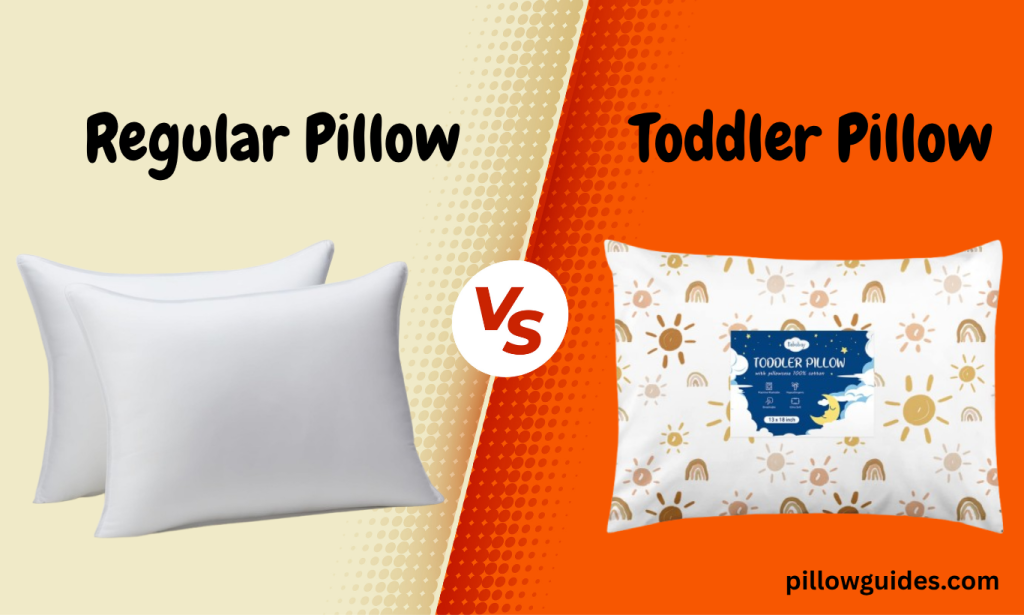
Choosing the right pillow for your child isn’t just about comfort—it’s about safety, proper development, and healthy sleep habits. Many parents wonder whether a toddler pillow is really necessary or if a regular pillow will do the job. The truth is, they’re designed very differently, and those differences matter.
Here’s a complete guide to toddler pillow vs regular pillow, including a clear comparison and a compression chart to help you decide.
What Is a Toddler Pillow?
A toddler pillow is specifically designed for young children, typically aged 1 to 3 years. It’s smaller, thinner, and firmer than a standard pillow to support a toddler’s developing neck and spine.
Key Features:
- Smaller size (usually around 13 x 18 inches)
- Low loft (thin height)
- Gentle firmness for proper support
- Made with hypoallergenic materials
What Is a Regular Pillow?
A regular pillow is designed for older children and adults. It’s larger, softer, and often much thicker—making it unsuitable for toddlers.
Key Features:
- Standard size (around 20 x 26 inches)
- Higher loft (thicker)
- Softer feel
- Designed for fully developed neck and shoulder structures
Toddler Pillow vs Regular Pillow: Key Differences
1. Size and Fit
Toddler pillows are proportioned for small beds and cribs, while regular pillows can overwhelm a toddler’s sleeping space.
2. Firmness and Support
Toddlers need firmer support to keep their head aligned. Regular pillows are often too soft, causing the head to sink too deeply.
3. Safety
Toddler pillows are designed with safety in mind, reducing risks associated with improper neck positioning. Regular pillows can increase discomfort and are not recommended for very young children.
4. Neck and Spine Alignment
Proper alignment is critical during early development. Toddler pillows maintain a neutral position, while regular pillows can push the head too high.
Compression Chart: Toddler vs Regular Pillow
Below is a simplified comparison of how each pillow compresses under weight (which affects support and alignment):
| Feature | Toddler Pillow | Regular Pillow |
|---|---|---|
| Average Loft (Height) | 2–3 inches | 4–7 inches |
| Compression Under Weight | Low to Moderate | High |
| Head Sink Depth | Minimal | Deep |
| Support Level | Firm, consistent | Soft, less stable |
| Neck Alignment | Neutral | Often misaligned |
| Suitability (Age) | 1–3 years | 5+ years / adults |
What this means:
- A toddler pillow compresses just enough to cushion the head while maintaining support.
- A regular pillow compresses too much, which can lead to poor posture and discomfort for toddlers.
When Should a Child Use a Toddler Pillow?
Most experts recommend introducing a pillow after 12–18 months, once your child transitions out of a crib and shows readiness.
Signs your toddler may need a pillow:
- Resting their head on blankets or stuffed toys
- Difficulty getting comfortable at night
- Sleeping better with slight head elevation
Can Toddlers Use Regular Pillows?
In most cases, no—regular pillows are not ideal for toddlers. They are:
- Too thick
- Too soft
- Poorly sized for small bodies
They may be suitable later, usually around age 4–5, depending on your child’s growth.
Tips for Choosing the Right Pillow
- Look for low loft and medium firmness
- Choose breathable, washable materials
- Avoid overly fluffy or bulky designs
- Make sure it fits your toddler’s bed size
Final Thoughts
A toddler pillow isn’t just a smaller version of a regular pillow—it’s specifically designed to support your child’s early development. The difference in size, firmness, and compression plays a major role in sleep quality and safety.
If your child is still in the toddler stage, a dedicated toddler pillow is the better and safer choice. Regular pillows can wait until their body is ready for that level of softness and height.
Pingback: Toddler Pillow vs Travel Pillow - What’s the Difference? - Pillow Guides
Pingback: 5 Best Small Pillows for Maximum Comfort and Support: Expert Reviews - Pillow Guides