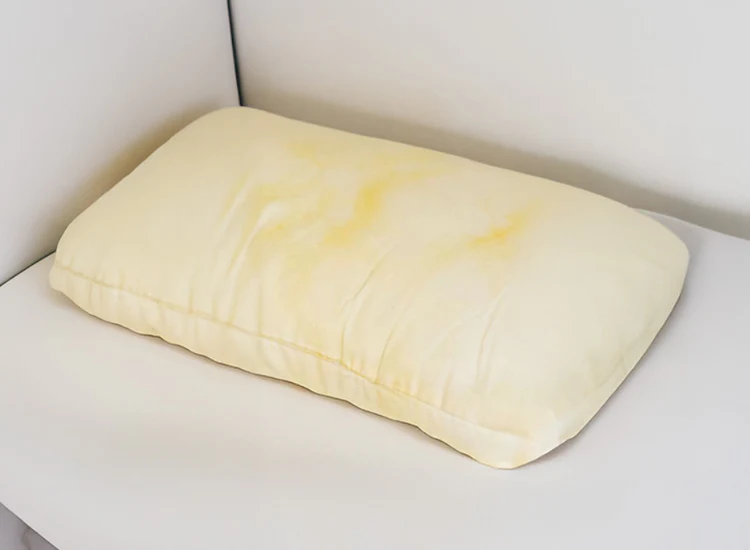
Yellow stains on pillow cases are a common household problem that can make even freshly washed bedding look dirty. Many people assume these stains come from poor hygiene, but in most cases, they are caused by natural body oils, sweat, hair products, and everyday moisture buildup. Understanding what causes yellow stains on pillow cases can help you prevent them and keep your bedding cleaner for longer.
In this guide, we’ll explain the most common causes of yellow pillow stains, how to remove them effectively, and the best ways to stop them from returning.
Why Do Pillow Cases Turn Yellow?
Pillow cases absorb substances from your skin, hair, and environment every night. Over time, these materials build up and create yellow discoloration that regular washing may not fully remove. Here are the most common causes.
1. Sweat and Body Oils
The leading cause of yellow stains on pillow cases is a combination of sweat and natural body oils.
While you sleep, your body releases perspiration and sebum (skin oil). These substances soak into the fabric and gradually oxidize, leaving behind yellow marks. People who naturally sweat more at night often notice stains appearing faster.
Factors That Increase Sweat Stains
- Warm room temperatures
- Heavy blankets
- Night sweats
- Hormonal changes
- Stress and anxiety
- Sleeping without air circulation
Even if sweat appears clear, it can dry into yellow stains over time.
2. Wet Hair Before Bed
Sleeping with damp or wet hair can contribute to pillow discoloration. Moisture trapped in the fabric creates the perfect environment for oils, bacteria, and product residue to collect.
Wet hair may also transfer:
- Shampoo residue
- Conditioner oils
- Leave-in treatments
- Hair serums
Over time, these ingredients can create yellow or brownish stains on white pillow cases.
3. Hair Products and Skincare Products
Many hair and skincare products contain oils, silicones, dyes, and chemicals that transfer onto fabric during sleep.
Common culprits include:
- Hair oils
- Moisturizers
- Face creams
- Sunscreen
- Acne treatments
- Beard oils
Products containing benzoyl peroxide can even bleach or discolor fabric unevenly.
4. Saliva and Drooling
Drooling during sleep is another surprisingly common reason for yellow pillow stains. Saliva contains proteins and enzymes that can react with fabric fibers over time.
If left unwashed, saliva stains may darken and develop an unpleasant odor.
5. Infrequent Washing
Pillow cases collect dirt faster than most people realize. Dead skin cells, sweat, oils, dust, and bacteria accumulate every night.
If pillow cases are not washed regularly, these substances settle deeper into the fabric and become harder to remove.
Recommended Washing Frequency
Experts generally recommend washing pillow cases:
- Once per week
- Twice weekly for oily skin or heavy sweating
- More often during hot weather
6. Poor Pillow Protection
Without a pillow protector, moisture and oils can soak through the pillow case and reach the pillow itself. This not only causes deeper staining but can also shorten the life of your pillow.
Waterproof or moisture-resistant pillow protectors help reduce buildup significantly.
7. Hard Water and Detergent Buildup
In some homes, yellow stains may be caused by mineral-rich hard water or leftover detergent trapped in fabric fibers.
Over time, mineral deposits can:
- Dull white fabrics
- Create yellow patches
- Cause stiff texture
Using too much detergent may also leave residue that attracts dirt and oils.
How to Remove Yellow Stains From Pillow Cases
The good news is that most yellow stains can be removed with simple cleaning methods.
Baking Soda and Vinegar Method
A popular natural solution involves:
- ½ cup baking soda
- 1 cup white vinegar
- Hot water wash cycle
This combination helps break down oils and neutralize odors.
Hydrogen Peroxide Solution
For white pillow cases, hydrogen peroxide can help brighten fabric and remove stubborn yellow stains.
Mix:
- 1 part hydrogen peroxide
- 2 parts water
Apply to the stain before washing.
Always test on a small hidden area first.
Use Oxygen Bleach
Oxygen-based bleach is safer for fabrics than chlorine bleach and works well on organic stains from sweat and oils.
Avoid excessive chlorine bleach, as it can weaken fibers and sometimes worsen yellowing.
Wash in Hot Water
If the care label allows it, wash pillow cases in hot water to dissolve oils more effectively.
Higher temperatures help kill bacteria and remove deep residue.
How to Prevent Yellow Pillow Stains
Preventing stains is easier than removing them later.
Prevention Tips
- Wash pillow cases weekly
- Shower before bed
- Avoid sleeping with wet hair
- Use lightweight nighttime skincare
- Use pillow protectors
- Keep bedroom temperatures cool
- Replace old pillows regularly
Choosing breathable fabrics like cotton or bamboo can also reduce moisture buildup.
Can Yellow Pillow Stains Be Harmful?
Most yellow stains are harmless and simply cosmetic. However, heavily soiled pillow cases can collect:
- Bacteria
- Dust mites
- Allergens
- Fungal buildup
This may contribute to skin irritation, acne, allergies, or unpleasant odors if bedding is not cleaned regularly.
Final Thoughts
Yellow stains on pillow cases are usually caused by sweat, body oils, wet hair, saliva, and product buildup. While these stains are common, proper washing habits and protective bedding can help prevent them.
Regular cleaning, breathable fabrics, and pillow protectors are the best ways to keep pillow cases fresh, white, and long-lasting.