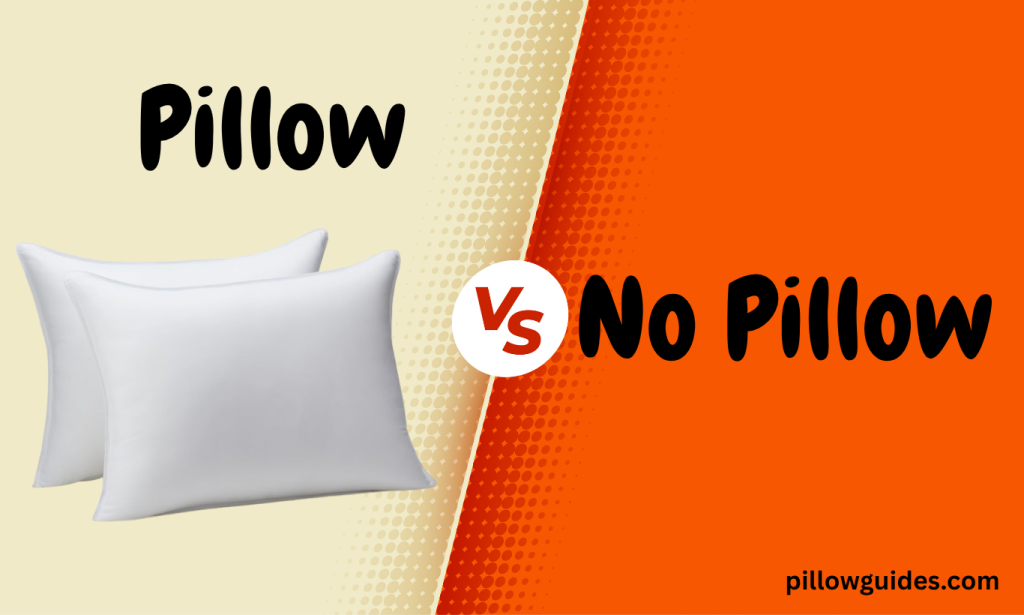
Choosing whether to sleep with a pillow or without one might seem like a small decision, but it can significantly affect your sleep quality, spinal alignment, and even long-term health. The “right” choice depends on factors like your sleeping position, body type, and any existing neck or back issues. Here’s a clear, balanced look at both options.
Pillow vs. No Pillow: Which Is Better for Sleep?
The Role of a Pillow
A pillow is designed to support the natural curve of your neck and keep your spine aligned while you sleep. Ideally, it prevents your head from tilting too far forward or backward, reducing strain on muscles and joints.
Benefits of Using a Pillow
Before starting the comparison, first of all, lets take a look at the benefits of using a pillow.
- Spinal alignment: Helps keep your neck and spine in a neutral position
- Comfort: Cushions pressure points, especially for side and back sleepers
- Pain prevention: Can reduce neck, shoulder, and upper back discomfort
- Custom support: Different thicknesses and materials can suit individual needs
Drawbacks of Using a Pillow
- Wrong type can cause pain: Too thick or too thin pillows may misalign the spine
- Allergen buildup: Pillows can accumulate dust mites and allergens over time
- Dependency: Some people struggle to sleep without one
Sleeping Without a Pillow
Sleeping without a pillow is less common but has gained attention, especially among stomach sleepers or those exploring minimalist sleep setups.
Benefits of Sleeping Without a Pillow
- Improved alignment for stomach sleepers: Reduces neck strain from turning the head upward
- Potential posture improvement: Encourages a more natural head position in some cases
- Reduced pressure on the neck: Especially if pillows previously forced awkward angles
Drawbacks of Sleeping Without a Pillow
- Neck strain for most people: Particularly for side and back sleepers
- Reduced comfort: Lack of cushioning can create pressure points
- Possible long-term discomfort: Especially if spine alignment is compromised
Comparison Table
| Factor | With Pillow | Without Pillow |
|---|---|---|
| Spinal Alignment | Generally better (if pillow fits) | Often poor (except for stomach sleepers) |
| Neck Support | Provides support and reduces strain | Minimal support |
| Comfort Level | Higher for most people | Lower for many, especially beginners |
| Best for Sleepers | Side and back sleepers | Stomach sleepers |
| Risk of Pain | Low with proper pillow | Higher for most sleeping positions |
| Adaptability | Wide range of options available | Limited flexibility |
| Maintenance | Requires cleaning/replacement | No maintenance needed |
Which Option Is Right for You?
- Side sleepers: Almost always benefit from a pillow, ideally a thicker one to fill the space between shoulder and head
- Back sleepers: Do best with a medium-height pillow that supports the natural neck curve
- Stomach sleepers: May benefit from a very thin pillow—or none at all—to avoid neck strain
Final Thoughts
There’s no universal answer to the pillow vs. no pillow debate. What matters most is maintaining a neutral spine and waking up without pain or stiffness. For most people, a well-chosen pillow improves sleep quality. However, sleeping without one can be beneficial in specific cases—especially for stomach sleepers.
If you’re unsure, try experimenting: adjust pillow height, firmness, or even go without one for a few nights and observe how your body responds. Your comfort and long-term health are the best indicators of what works.