
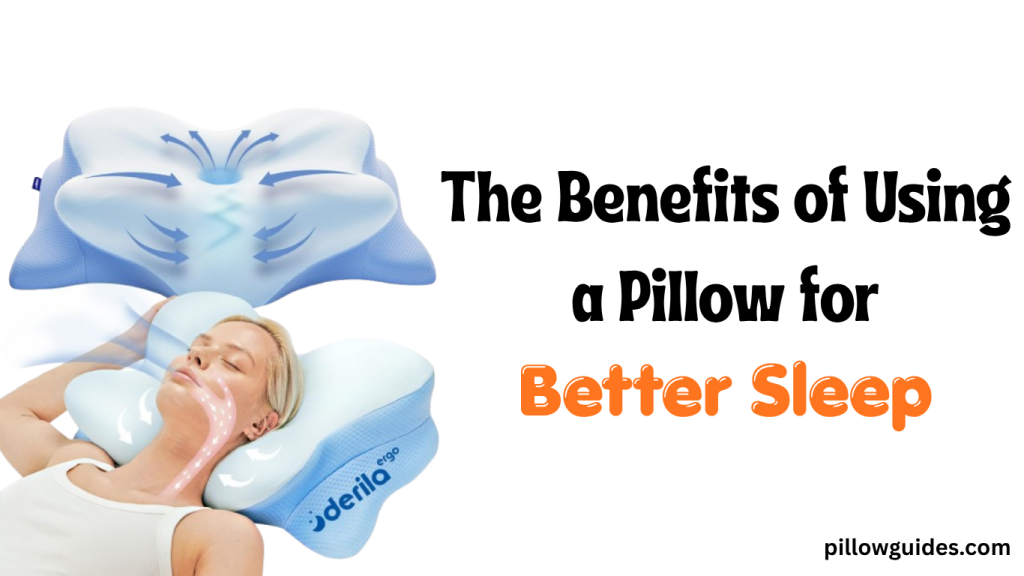
A pillow may seem like a simple bedtime accessory, but it plays a critical role in how well you sleep and how your body feels when you wake up. The right pillow doesn’t just add comfort—it supports your neck, aligns your spine, and can even prevent long-term health issues. Understanding the benefits of using a pillow can help you make smarter choices for your sleep setup.
1. Supports Proper Spinal Alignment
One of the most important benefits of a pillow is its ability to maintain a neutral spine position. When your head and neck are properly supported, your spine stays aligned from top to bottom. This reduces strain on muscles and joints, helping your body relax fully during sleep.
Without proper support, your neck can bend unnaturally, leading to stiffness and discomfort over time.
2. Reduces Neck and Shoulder Pain
A well-chosen pillow cushions your head and fills the gap between your neck and mattress. This reduces pressure on key areas like the neck and shoulders, which are common sources of tension.
People who wake up with soreness often find relief simply by switching to a pillow that better matches their sleeping position and body structure.
3. Improves Sleep Quality
Comfort plays a huge role in how quickly you fall asleep and how often you wake during the night. A supportive pillow helps you stay in a comfortable position longer, minimizing tossing and turning.
Better support leads to deeper, more uninterrupted sleep, which is essential for both physical recovery and mental well-being.
4. Adapts to Different Sleeping Positions
Pillows come in a variety of shapes and thicknesses, making it easier to find one that suits your preferred sleeping position:
- Side sleepers benefit from thicker pillows that fill the space between the head and shoulders
- Back sleepers need medium support to maintain the natural curve of the neck
- Stomach sleepers typically require thinner pillows to avoid neck strain
This adaptability makes pillows a versatile solution for personalized comfort.
5. Helps Prevent Long-Term Posture Issues
Consistently sleeping in a misaligned position can contribute to poor posture over time. A good pillow helps maintain healthy alignment night after night, which can positively affect how you sit, stand, and move during the day.
6. Provides Pressure Relief
A pillow distributes the weight of your head evenly, reducing pressure points that can lead to discomfort or interrupted sleep. This is especially helpful for people who experience tension headaches or upper body fatigue.
7. Enhances Relaxation and Comfort
Beyond physical benefits, pillows contribute to a sense of comfort and relaxation. The softness and support can help signal to your body that it’s time to rest, making it easier to unwind after a long day.
8. Offers Specialized Health Benefits
Certain types of pillows are designed for specific needs:
- Orthopedic pillows for neck and spine support
- Cooling pillows to regulate temperature
- Hypoallergenic pillows to reduce allergy symptoms
These options allow users to address individual health concerns while improving sleep quality.
Final Thoughts
Using a pillow is about more than just comfort—it’s a key factor in maintaining proper body alignment, preventing pain, and improving overall sleep quality. The right pillow can make a noticeable difference in how you feel each morning.
Choosing one that matches your sleeping position and personal preferences is essential. When properly selected, a pillow becomes not just a support for your head, but a foundation for better health and more restful sleep.


Pingback: Pillow vs No Pillow - Benefits & Drawbacks - Pillow Guides
Pingback: What Is the Standard Size Pillow and Why It Matters for Better Sleep - Pillow Guides
Pingback: 5 Best Pillows for Kids: Expert-Tested Comfort for Better Sleep - Pillow Guides
Pingback: 5 Best Pillows for Better Breathing: Expert Picks for Comfort and Relief - Pillow Guides
Pingback: 5 Best Smart Pillows for Better Sleep: Expert-Tested Picks for 2024 - Pillow Guides
Pingback: 5 Best Silk Pillowcases for Radiant Skin and Healthier Hair: Expert Picks - Pillow Guides
Pingback: 5 Best Silk Pillows for Radiant Skin and Healthier Hair: Expert Picks - Pillow Guides
Pingback: 5 Best Pillows for Insomnia: Expert-Reviewed for Restful Sleep - Pillow Guides
Pingback: 5 Best Pillows for Dorm Rooms: Expert Picks for a Better Night’s Sleep - Pillow Guides