
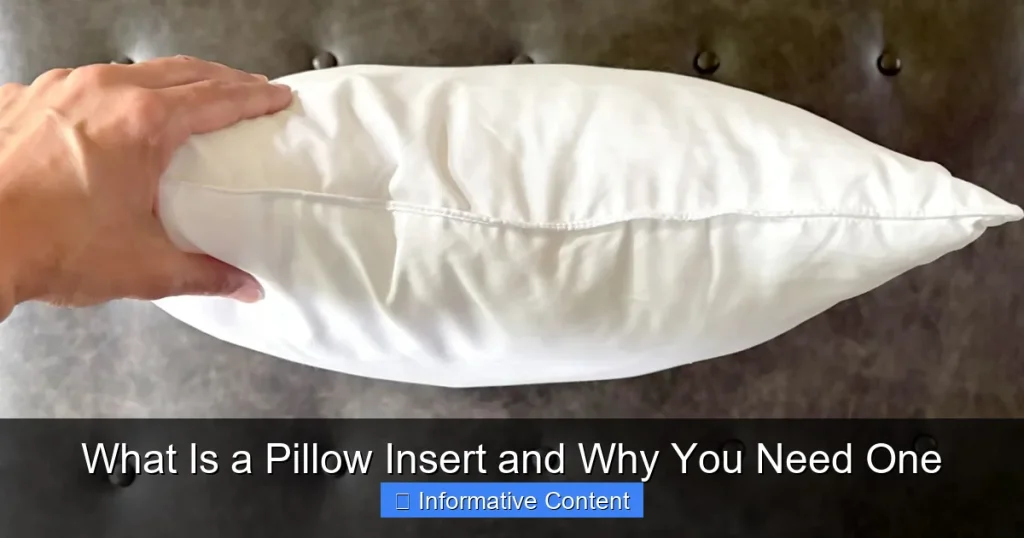
A pillow insert is the hidden inner core that gives your throw pillows shape, support, and structure. Without a quality pillow insert, even the most beautiful pillow covers look flat and lifeless. Understanding what a pillow insert is and how to choose the right one can transform your home décor and make your living spaces feel polished and inviting.
Key Takeaways
- Definition: A pillow insert is the inner filling placed inside a pillow cover to provide shape, volume, and support.
- Material Variety: Pillow inserts come in materials like polyester fiberfill, down, feather, memory foam, and kapok.
- Size Matters: Always choose an insert 1-2 inches larger than your pillow cover for a full, professional look.
- Durability: High-quality pillow inserts maintain their shape longer and resist clumping over time.
- Versatility: Pillow inserts are used for decorative throw pillows, outdoor cushions, floor pillows, and more.
- Easy Maintenance: Most pillow inserts can be spot-cleaned or machine-washed depending on the material.
- Cost-Effective: Investing in a good pillow insert extends the life of your pillow covers and saves money long-term.
Quick Answers to Common Questions
What is a pillow insert used for?
A pillow insert is placed inside a pillow cover to provide shape, volume, and support. It is the inner core that makes decorative throw pillows look full and plump.
What size pillow insert should I buy?
Always buy a pillow insert that is 1 to 2 inches larger than your pillow cover. For example, use a 20 x 20 inch insert inside an 18 x 18 inch cover for a full, professional look.
Can I wash a pillow insert?
Yes, many pillow inserts can be machine washed on a gentle cycle. Polyester and some down inserts are machine washable. Always check the care label and use low heat when drying.
What is the best material for a pillow insert?
It depends on your needs. Polyester fiberfill is affordable and hypoallergenic. Down and feather offer luxury softness. Memory foam provides firm support. Choose based on how you plan to use the pillow.
How often should I replace my pillow insert?
Replace your pillow insert when it no longer holds its shape after fluffing, when the filling has clumped together, or when it feels flat and lifeless. This is typically every 1 to 3 years depending on quality and use.
📑 Table of Contents
What Is a Pillow Insert?
If you have ever bought a gorgeous pillow cover only to find it looks flat and sad when you put it together, you are not alone. The secret to a plump, beautiful pillow is not the cover at all. It is what goes inside. That is where a pillow insert comes in.
A pillow insert is the inner core or filling that you slide inside a pillow cover. Think of it as the engine under the hood. It provides the shape, volume, and structure that make your pillow look full and feel comfortable. Without a proper pillow insert, even the most expensive designer pillow cover will look deflated and uninviting.
Whether you are decorating your living room couch, sprucing up your bedroom, or adding flair to an outdoor seating area, understanding what a pillow insert is and how to choose the right one makes all the difference. Let us break it all down for you.
Why Do You Need a Pillow Insert?
The Backbone of Beautiful Décor
Here is the thing most people do not realize. The pillow cover is just the outfit. The pillow insert is the body underneath. A high-quality insert gives your pillows that coveted “chopped” look when you press down on the corners. It fills out every edge of the cover and creates a polished, designer-worthy appearance.
Without a good insert, your pillows will look lumpy, uneven, and cheap. No matter how much you spend on covers, the insert is what truly determines the final look.
Comfort and Support
Beyond aesthetics, a pillow insert also affects how comfortable your pillow feels. If you actually lean against your throw pillows or use them for extra support while reading or watching TV, the insert material matters a lot. A soft polyester fill feels different from a firm memory foam insert. Choosing the right one depends on how you plan to use your pillows.
Common Types of Pillow Insert Materials
Polyester Fiberfill
This is the most popular and affordable option. Polyester fiberfill inserts are lightweight, hypoallergenic, and easy to wash. They work great for decorative pillows that are not used for sleeping. The downside is that they can flatten over time and may need to be replaced more frequently.
Down and Feather
If you want that luxurious, ultra-soft feel, down and feather inserts are the way to go. They are incredibly plush and hold their shape well with regular fluffing. However, they tend to be more expensive and may not be suitable for people with allergies. A deeper look at what pillows are made of can help you understand the differences between natural and synthetic fills.
Memory Foam
Memory foam inserts offer firm support and are ideal if you want pillows that double as functional support. They contour to pressure and bounce back slowly. These are heavier than other options and work best for pillows you actually lean on. If you are curious about this material, check out our guide on what a memory foam pillow is and how it works.
Kapok
Kapok is a natural, plant-based fiber that is eco-friendly and silky soft. It is a great alternative to down for people who want a cruelty-free option. Kapok inserts are lightweight and mold-resistant, making them a solid choice for humid climates.
Wool
Wool inserts are natural, breathable, and temperature-regulating. They are firmer than polyester and provide excellent support. Wool is also naturally resistant to dust mites and mold, which makes it a healthy choice for allergy sufferers.
How to Choose the Right Size Pillow Insert
The Golden Rule: Go Bigger
This is the number one tip that interior designers swear by. Always choose a pillow insert that is 1 to 2 inches larger than your pillow cover. For example, if your cover is 18 x 18 inches, buy a 20 x 20 inch insert. This ensures the cover is stretched tight and the pillow looks full and luxurious.
Using an insert that is the same size as your cover will leave the corners empty and the pillow looking deflated. Going bigger fills out every inch and gives you that professional, high-end look.
Standard Sizes to Know
Pillow inserts come in a wide range of sizes to match common pillow covers. Here are the most popular ones:
- 18 x 18 inches – The most common throw pillow size for sofas and beds
- 20 x 20 inches – A slightly larger option for a fuller look
- 12 x 20 inches – Standard lumbar pillow size
- 26 x 26 inches – Common for Euro sham pillows
- 16 x 16 inches – A smaller accent pillow size
If you are working with Euro pillows, our guide on what size a Euro pillow is will give you all the details you need.
Where to Use Pillow Inserts
Living Room Throw Pillows
This is the most common use. A quality pillow insert makes your couch or armchair look styled and inviting. Mix and match sizes and textures for a layered, designer look.
Bedroom Décor
Decorative pillows on your bed add color and personality. Using the right inserts ensures they look great even when you are not sleeping on them. For tips on arranging pillows beautifully, check out our article on how to arrange pillows on a king size bed.
Outdoor Seating
Outdoor pillow inserts need to be more durable. Look for inserts made with quick-drying polyester or specially designed outdoor fills that resist moisture and mildew.
Floor Pillows
Large floor pillows are trendy and functional. For these, you want a thicker, firmer insert that can handle the weight of someone sitting on it.
How to Care for Your Pillow Inserts
Regular Fluffing
Give your pillows a good shake and fluff every few days. This redistributes the filling and keeps them looking full. It takes just a few seconds and makes a noticeable difference.
Spot Cleaning
For small stains, use a damp cloth with mild soap to spot clean the insert. Avoid soaking it, as excess moisture can cause mold or mildew inside the filling.
Machine Washing
Many polyester and some down inserts can be machine washed on a gentle cycle. Always check the care label first. Use a mild detergent and tumble dry on low heat with a few dryer balls to help redistribute the filling. If you want more detailed instructions, our guide on how to wash pillows in a washing machine covers everything step by step.
Using Pillow Protectors
Slipping a pillow protector over your insert before putting on the cover adds an extra layer of protection against stains, dust, and allergens. It also makes cleaning much easier since you can remove and wash the protector separately.
Common Mistakes to Avoid
Choosing the Wrong Size
As mentioned earlier, going too small is the biggest mistake. Always size up by 1-2 inches for a full, professional look.
Ignoring the Fill Power
For down inserts, fill power matters. A higher fill power means the down is fluffier and provides more loft. Look for a fill power of at least 500 for a good-quality down insert.
Using Sleeping Pillows as Decorative Inserts
Your bed pillow is not designed to go inside a decorative cover. It will not fill out the corners properly and will look awkward. Always use a dedicated pillow insert for your throw pillows.
Replacing Inserts Too Late
Even the best inserts wear out over time. If your pillow looks flat even after fluffing, or if the filling has clumped together, it is time for a new insert. A fresh insert can make an old pillow cover look brand new again.
Conclusion
Now you know exactly what a pillow insert is and why it is one of the most important yet overlooked elements of home décor. It is the hidden hero that gives your pillows their shape, fullness, and comfort. Whether you are decorating your living room, bedroom, or outdoor space, choosing the right pillow insert transforms the entire look of your pillows.
Remember the golden rule: always size up by 1-2 inches, choose the right material for your needs, and take care of your inserts with regular fluffing and cleaning. With these simple tips, your throw pillows will always look like they belong in a magazine spread.
Ready to upgrade your pillow game? Start by investing in quality pillow inserts and watch your home décor come alive.
Frequently Asked Questions
What is the difference between a pillow and a pillow insert?
A pillow is a complete product with its own cover, ready to use. A pillow insert is just the inner filling that needs to be placed inside a separate pillow cover. The insert provides the shape while the cover provides the style.
Can I use a pillow insert without a cover?
Technically yes, but it is not recommended. Pillow inserts are not designed to be used alone. Without a cover, they will get dirty quickly and may lose their shape faster. A cover protects the insert and makes it easy to clean.
Are down or polyester pillow inserts better?
Both have their strengths. Down inserts are softer, more luxurious, and longer-lasting but cost more. Polyester inserts are affordable, hypoallergenic, and easy to wash but may flatten faster. Your choice depends on budget and preference.
Do pillow inserts come in different firmness levels?
Yes, pillow inserts range from soft to firm. Polyester and down inserts tend to be softer, while memory foam and wool inserts are firmer. Choose a firmness level based on whether you want decorative pillows or functional support pillows.
How do I make my pillow insert look fuller?
Choose an insert 1-2 inches larger than your cover, fluff it regularly by shaking and kneading, and consider adding a second layer of polyester fill inside if it has gone flat over time.
Can I use the same pillow insert for indoor and outdoor pillows?
It is best to use different inserts for each. Outdoor pillow inserts are made with quick-drying, moisture-resistant materials that handle weather better. Indoor inserts may develop mold or mildew if used outside.