
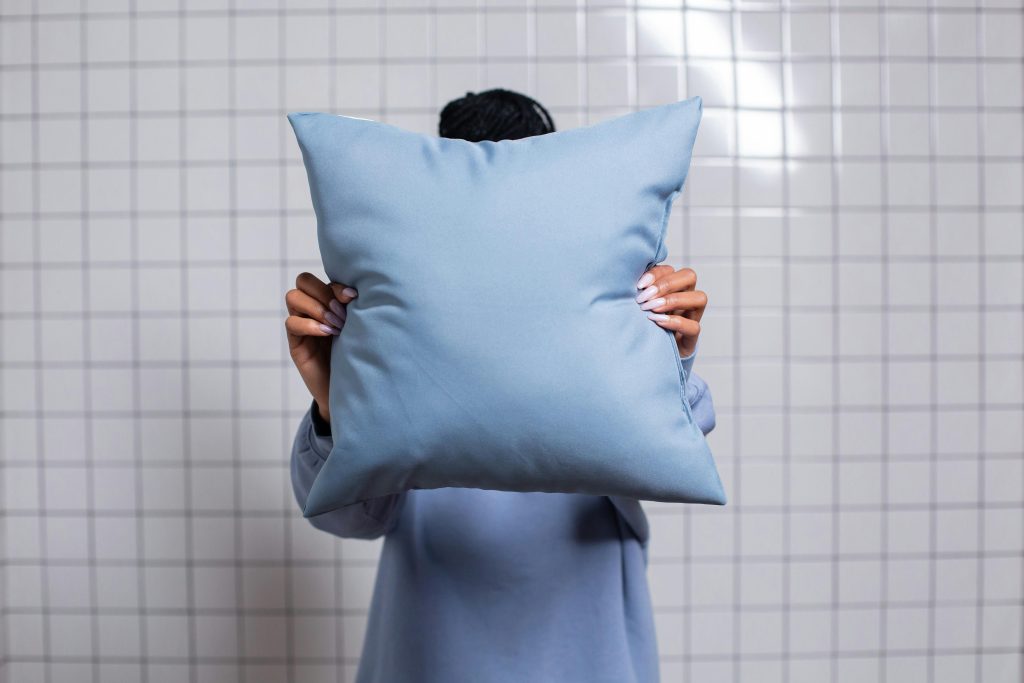
A pillow protector is one of the most overlooked yet essential items in a clean and comfortable bedroom. While most people focus on choosing the right pillow or stylish pillowcases, they often ignore what lies beneath. A pillow protector acts as a hidden shield, keeping your pillow safe from dirt, moisture, and allergens. If you want to improve your sleep hygiene and extend the life of your pillows, understanding how a pillow protector works is a great place to start.
What Is a Pillow Protector?
A pillow protector is a removable fabric cover that wraps around your pillow before you put on the pillowcase. Unlike a standard pillowcase, which is mainly used for comfort and appearance, a pillow protector is designed for protection and durability.
It typically comes with a zipper or envelope closure to fully encase the pillow, creating a barrier against unwanted elements like sweat, dust mites, and spills.
Why You Need a Pillow Protector
Keeps Your Pillow Clean
Over time, pillows absorb sweat, body oils, and even dead skin cells. Without protection, this buildup can lead to unpleasant odors and stains. A pillow protector prevents these substances from reaching the pillow itself, keeping it cleaner for longer.
Protects Against Allergens
Dust mites are a common cause of allergies and can easily live inside unprotected pillows. Many pillow protectors are specially designed to block allergens, making them a great choice for people with asthma or sensitivities.
Extends Pillow Lifespan
Pillows can be expensive, especially high-quality ones. A pillow protector helps preserve their shape and condition by preventing internal damage caused by moisture and dirt. This means you won’t need to replace your pillows as often.
Improves Hygiene
Since pillow protectors are easy to remove and wash, they help maintain a higher level of cleanliness in your bedding. Regular washing reduces bacteria and keeps your sleeping environment fresh.
Pillow Protector vs Pillowcase
Many people confuse pillow protectors with pillowcases, but they serve different purposes.
A pillow protector focuses on function. It acts as a protective barrier and is usually hidden beneath the pillowcase.
A pillowcase, on the other hand, is the outer layer that you see and feel. It adds comfort, style, and softness to your bedding.
For the best results, both should be used together. The correct layering is simple: pillow, then protector, then pillowcase.
Types of Pillow Protectors
Waterproof Pillow Protectors
These protectors are designed to block liquids completely. They are ideal for people who sweat heavily at night, children, or anyone who wants maximum protection against spills.
Allergen-Proof Pillow Protectors
Made with tightly woven fabrics, these prevent dust mites and other allergens from entering your pillow. They are especially useful for allergy sufferers.
Cooling Pillow Protectors
If you tend to sleep hot, cooling pillow protectors are a great option. They are made from breathable materials that help regulate temperature and improve airflow.
Quilted Pillow Protectors
These add an extra layer of softness and comfort. They are slightly thicker and can enhance the overall feel of your pillow.
How to Choose the Right Pillow Protector
When selecting a pillow protector, consider the following factors:
Material
Look for breathable and comfortable fabrics such as cotton or bamboo. These materials are soft, durable, and help regulate temperature.
Closure Type
Zippered protectors offer full coverage and better protection, while envelope-style closures are easier to remove but may leave small gaps.
Size
Make sure the protector matches your pillow size exactly. A poor fit can affect comfort and reduce effectiveness.
Special Features
Depending on your needs, you may want waterproofing, allergen protection, or cooling properties. Choose features that match your sleeping habits.
How to Use and Care for a Pillow Protector
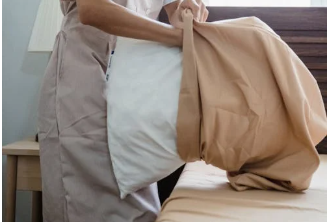
Using a pillow protector is simple. Just place it over your pillow and zip or fold it closed before adding your pillowcase.
For maintenance:
- Wash it regularly, ideally every two to four weeks
- Follow the care instructions on the label
- Use mild detergent to preserve fabric quality
- Ensure it is fully dry before putting it back on the pillow
Proper care will keep your pillow protector effective and long-lasting.
Common Mistakes to Avoid
Many people buy pillow protectors but don’t use them correctly. Here are a few mistakes to watch out for:
- Not washing them often enough
- Using the wrong size
- Skipping the pillow protector altogether and relying only on a pillowcase
- Choosing low-quality materials that trap heat or feel uncomfortable
Avoiding these mistakes ensures you get the full benefits of your pillow protector.
Benefits for Different Sleepers
For Allergy Sufferers
A pillow protector can significantly reduce exposure to dust mites and allergens, leading to better sleep and fewer symptoms.
For Hot Sleepers
Breathable or cooling protectors help regulate temperature and prevent overheating during the night.
For Families
Waterproof protectors are especially useful for children or anyone prone to spills, offering peace of mind and easy cleanup.
FAQs
Do I really need a pillow protector?
While not mandatory, a pillow protector is highly recommended. It improves hygiene, protects your pillow, and helps you sleep in a cleaner environment.
How often should I wash a pillow protector?
It’s best to wash it every two to four weeks, depending on usage and personal preference.
Can I use a pillowcase without a pillow protector?
Yes, but it won’t provide the same level of protection. A pillowcase alone cannot fully prevent moisture and allergens from reaching the pillow.
Are pillow protectors comfortable?
Yes, most modern pillow protectors are designed to be soft and breathable, so they won’t affect your comfort.
Conclusion
A pillow protector may seem like a small addition to your bedding, but it makes a big difference in cleanliness, comfort, and durability. By acting as a protective barrier, it keeps your pillow fresh, reduces allergens, and extends its lifespan. Whether you want better hygiene, improved sleep quality, or simply to protect your investment, adding a pillow protector is a smart and simple choice.
Pingback: Are Pillow Protectors Necessary - Pillowguides
Pingback: Pillow Protector vs Pillowcase Which One Do You Really Need - Pillow Guides
Pingback: How to Wash a Pillow With Feathers the Right Way - Pillow Guides
Pingback: How to Wash a Purple Pillow the Right Way - Pillow Guides
Pingback: Can You Get Pink Eye from Farting on a Pillow - Pillow Guides
Pingback: Can You Wash Feather Pillow The Ultimate Guide - Pillow Guides